
Who Is a Suitable Candidate for Piles, Fissure and Fistula Laser Surgery?
- 5 min read
-
 Clinic Neo

Laser surgery sounds simple, with smaller cuts and a potentially faster return to daily life. But you might be wondering, “Is it right for me?”. The answer depends on more than just your symptoms. The type of condition you have, how severe it is, and whether other treatments have worked all matter.
Laser surgery is not the right choice for everyone, and choosing the wrong treatment can delay proper care. In this guide, we’ll explain who may be a suitable candidate for piles, fissure, and fistula laser surgery, what doctors look for, and when another treatment may be better.
What Determines Whether You Are Suitable for Laser Surgery?
A single factor alone doesn’t decide whether you are suitable for piles laser surgery. The Doctors mainly looks at four things:
The Type of Anorectal Condition
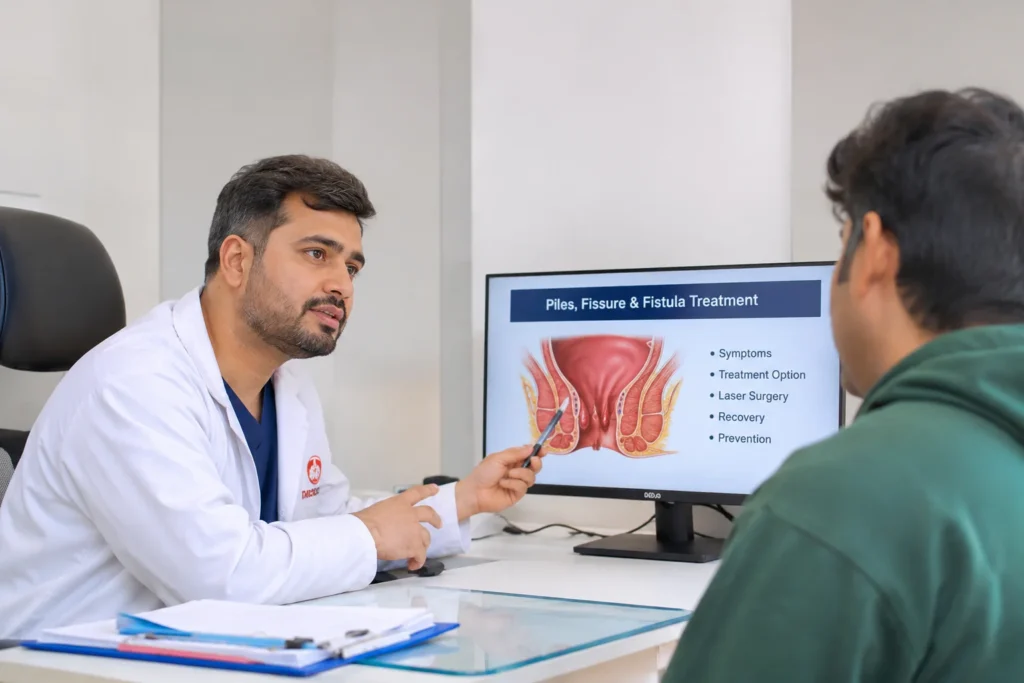
Piles, fissures and fistulas are different anorectal problems. Piles (Hemorrhoids) are swollen vascular cushions in the anal canal. A fissure is a tear in the anal lining. A fistula is an abnormal tunnel between the anal canal and the skin. Each one needs a different laser treatment, and sometimes a different procedure altogether.
Severity and Stage of the Condition
A mild problem often settles without surgery. Doctors usually consider your symptoms, examination findings and whether the condition is simple or complex. For piles, prolapse grade matters but does not decide treatment alone. For fistula, the route and sphincter involvement matter. For fissures, duration and appearance help determine whether it is acute or chronic.
Response to Previous Treatments
Most patients with uncomplicated piles or a new fissure do not need immediate surgery. Eating high fibre, fluids, following healthy habits and avoiding condition-specific medicines may help. Further procedures may be recommended if symptoms continue despite proper care. A recurrent fistula or previous anorectal surgery like constipation can also affect risks and choices.
Overall Health and Medical History
Before deciding the right treatment plan, your doctor will ask about:
- Diabetes and blood sugar control
- Taking Blood thinners or other regular medicines
- Performed any previous anorectal surgery
- Having any bowel disease such as Crohn’s disease
- Pregnancy or other conditions needing special care
These details do not automatically rule out surgery, but it may affect timing, assessment, anesthesia or the safest option. If you have any active abscess or significant infection then it needs prompt assessment and treatment first before moving to the laser procedure.
Note: Never stop a prescribed medicine on your own. Your doctor will advise you.
Who Is a Suitable Candidate for Piles Laser Surgery?
Whether you are a suitable candidate for the piles laser surgery, it depends on the piles grade and the stage of the condition. The American Society of Colon and Rectal Surgeons’ guidelines recommend office-based procedures for many Grade I–II and selected Grade III cases that do not respond to medical treatment.
Grade | What Happens | Is Laser Surgery Suitable? |
I | Piles may bleed but do not prolapse. | Usually managed with dietary changes and other nonsurgical treatments first. |
II | Piles prolapse during bowel movements but return on their own. | May be considered if symptoms persist despite nonsurgical treatment. |
III | Piles prolapse and must be pushed back manually. | May be an option for selected patients, depending on the severity and type of piles. |
IV | Piles remain prolapsed and cannot be pushed back in. | Often requires assessment for other surgical options; laser treatment may not be appropriate for everyone. |
Patients With Persistent Bleeding or Prolapse
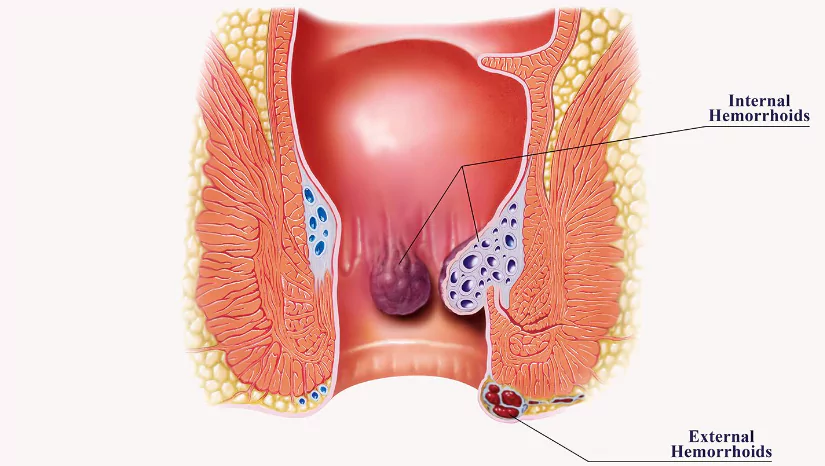
Piles laser treatment may be considered for selected people with symptomatic internal hemorrhoids, such as recurrent bleeding or prolapse, when examination confirms piles are the likely cause.
Patients who have not improved with non-surgical treatment
A laser surgery for piles is good for a person when their symptoms don’t improve even after following proper care. Failed home treatment does not by itself mean laser treatment is best, the doctor may recommend laser or conventional surgery based on the findings and patient preference.
Patients with grade II or III internal piles
Laser hemorrhoidoplasty has been studied as a treatment option for Grade II and III piles, but suitability depends on the patient’s symptoms and clinical assessment. A systematic review of laser hemorrhoidoplasty found less short-term pain and faster recovery than conventional hemorrhoidectomy.
Who may need a different piles treatment?
Alternative treatment may suit prominent external hemorrhoids, large or irreducible prolapse, or piles with a fissure or fistula needing separate care. Other options include rubber band ligation, another office procedure or excisional surgery. Bleeding or severe pain needs diagnosis before treatment.
Who Is a Suitable Candidate for Fissure Laser Surgery?
A fissure causes sharp pain during and after a bowel movement, often with a little bright red blood. The tight internal sphincter muscle slows healing.

Patients with chronic anal fissures
A fissure that lasts longer than about six weeks and doesn’t improve is called chronic and needs to be assessed by a professional doctor. Signs include a visible deep tear, a small lump at its edge (sentinel pile), and repeated flare-ups.
Patients Whose Fissures Have Not Healed With Conservative Treatment
A fissure specialist may discuss a laser procedure if an appropriately treated fissure remains painful or does not heal. Treatment options for fissure can include prescription ointments that relax the internal sphincter, botulinum toxin injection and surgery for selected patients.
Patients who need further assessment for persistent pain
Pain around the anus can also come from an abscess, thrombosed external hemorrhoid, infection or other anorectal conditions. A clinician may inspect the area and decide whether additional examination is needed. A fissure outside the usual midline or multiple fissures can require assessment for an underlying cause.
When might laser not be the first choice?
Fissure laser treatment is only offered by limited clinics in Nepal, including Clinic Neo. Having previous sphincter injury, prior anorectal surgery, a fissure away from the usual midline position and signs of inflammatory bowel disease can make you unsuitable for this laser treatment.
Who Is a Suitable Candidate for Fistula Laser Surgery?
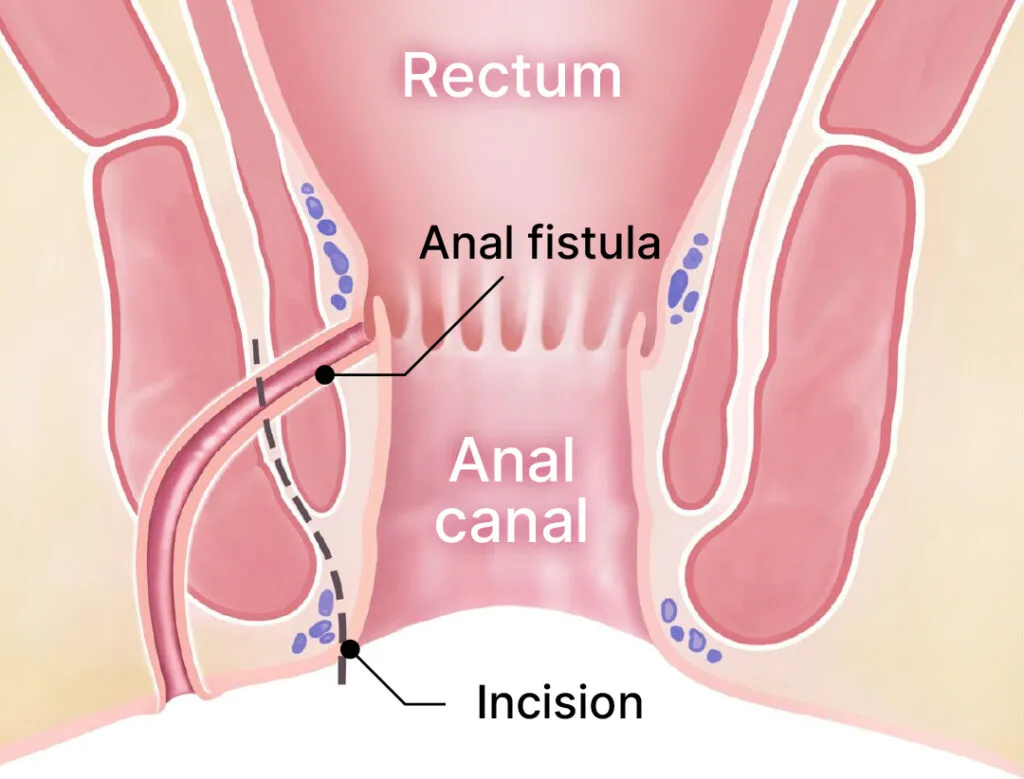
Fistula laser closure (FiLaC) is the laser procedure used to treat fistula that destroys the lining of the tract with laser energy so it can close. It avoids cutting the anal sphincter muscle, which protects bowel control.
Patients with a diagnosed anal fistula
A specialist should confirm that a fistula is present and assess its openings and tract. A history of recurring swelling, drainage or an abscess near the anus may prompt evaluation, but symptoms alone cannot map the tunnel. Your doctor finds the internal and external openings through examination, and sometimes MRI or ultrasound.
Patients who may benefit from sphincter-preserving treatment
FiLaC procedure is a sphincter-preserving technique that limits damage to the anal sphincter muscle. Fistulas that pass through a lot of sphincter muscle can cause incontinence if cut open. Laser closure is beneficial here because it spares the muscle. Many patients first have a seton (a soft drainage thread) to settle infection.
How Fistula Complexity Affects Eligibility
A simple, low fistula that affects very little of the anal sphincter muscle may be treated with fistulotomy if the patient has normal bowel control. High, complex, branching, or recurring fistulas may need other treatments, such as a seton, LIFT, or advancement flap. The surgeon chooses the right treatment for fistula by balancing the chance of healing with the risk of losing control over bowel movements.
When might another procedure be needed?
An abscess near the anus needs prompt medical attention and usually must be drained first. Fistula laser treatment cannot replace abscess drainage. Patients with Crohn’s disease, repeated infections, multiple openings, complex fistulas, or previous surgery may need a combination of treatments or treatment in stages.
Who May Not Be Suitable for Laser Surgery?
There is no single list that rules everyone out. Also, “Not suitable” often means “not yet” or “a better option exists.” It is rarely a final “No”. A surgeon may advise waiting or recommend another treatment when there is:
- An active abscess or infection that needs treatment first.
- A diagnosis that has not been confirmed or bleeding that needs further investigation.
- Anatomy unlikely to respond to the proposed laser technique.
- Uncontrolled medical conditions that raise procedural risk.
- A need for another procedure to treat external tissue, extensive prolapse or complex fistula anatomy.
- A personal risk factor that makes a sphincter-affecting procedure unsafe without further planning.
Is Laser Surgery Better Than Traditional Surgery?
It is better for some patients and not for others.
- For selected grade II–III internal hemorrhoids, laser hemorrhoidoplasty may reduce early pain and speed up the return to daily activities compared with conventional surgery.
- For fistulas, laser closure aims to preserve the anal sphincter muscle while treating the fistula tract.
- For fissures, laser treatment may be considered in selected cases when a specialist determines it is appropriate.
Are You Eligible for Laser Surgery?
You are likely eligible for laser surgery if you have Grade II or III internal piles, a chronic fissure, or a confirmed fistula without active infection, and basic care has not given lasting relief.
Each condition has its own rules, so suitability depends on the type, stage, previous treatment and your overall health. Laser surgery can mean less pain and a quicker return to routine for the right patient, but it never guarantees a cure. Grade IV piles, abscesses, Crohn’s disease and complex tracts often need another approach, and bleeding with warning signs needs a colonoscopy first. Only a proper examination by a proctologist can confirm which option fits you.
If you are unsure whether you are eligible, Clinic Neo can help you find out. Our senior GI surgeons examine you, explain your diagnosis, and tells you whether laser treatment or another option is safer. Contact us to book a consultation.
Frequently Asked Questions (FAQs)
How do I know if I need laser surgery for piles?
You may need further treatment if confirmed hemorrhoids cause ongoing bleeding, prolapse or discomfort despite appropriate non-surgical care. Only an examination can determine whether laser is suitable; bleeding may have another cause.
Which grades of piles can be treated with laser surgery?
Laser hemorrhoidoplasty is most commonly considered for selected grade II and III internal hemorrhoids. Grade IV prolapse, external piles or mixed disease may need a different or combined procedure.
Is laser surgery suitable for chronic anal fissures?
It may be offered, but laser is not as well established in guidelines as conservative care, prescription topical medicines, botulinum toxin or selected sphincter procedures. Discuss the evidence and bowel-control risks of each option with a specialist.
Can every anal fistula be treated with laser?
No. FiLaC may be considered for selected fistulas, but complexity, tract anatomy, previous procedures and infection affect suitability. Long-term healing and recurrence evidence for laser closure is still uncertain.
Can I get laser surgery if medicines have not worked?
Possibly, if examination confirms the condition and the procedure fits your anatomy and health. Failed medicines do not automatically make laser the best choice; other office procedures or operations may be more appropriate.
READY TO TAKE THE NEXT STEP?
We're Here to Help
You Feel Better.
Whether you have a question, need more information, or are ready to book your consultation – our team is just a call or message away.
Working Hours
Sunday - Friday (7:00 AM - 7:00 PM)
Saturday (7:00 AM - 10:00 AM)
Call Us
9805678379, 01-5907370
Email Us
clinicneonepal@gmail.com
Visit Us
Lokanthali, Bhaktapur, Nepal
Our Recent Blogs
5 min read
Who Is a Suitable Candidate for Piles, Fissure and Fistula Laser Surgery?
Laser surgery sounds simple, with smaller cuts and a potentially faster return to daily life. But you might be wondering, “Is it right for me?”. The answer depends on more

5 min read
Proctologist vs Gastroenterologist in Nepal: Which Specialist Should You See?
When you have persistent digestive problems like Anal pain, rectal bleeding, or constant stomach ache, it can leave you unsure which doctor to call. In Nepal, this confusion is common
5 min read
Constipation Treatment in Nepal: Causes, Symptoms, Diagnosis and Treatment Options
Constipation can make everyday life uncomfortable, from feeling heavy and bloated to spending too much time in the bathroom. It can affect people of all ages and may be linked
5 min read
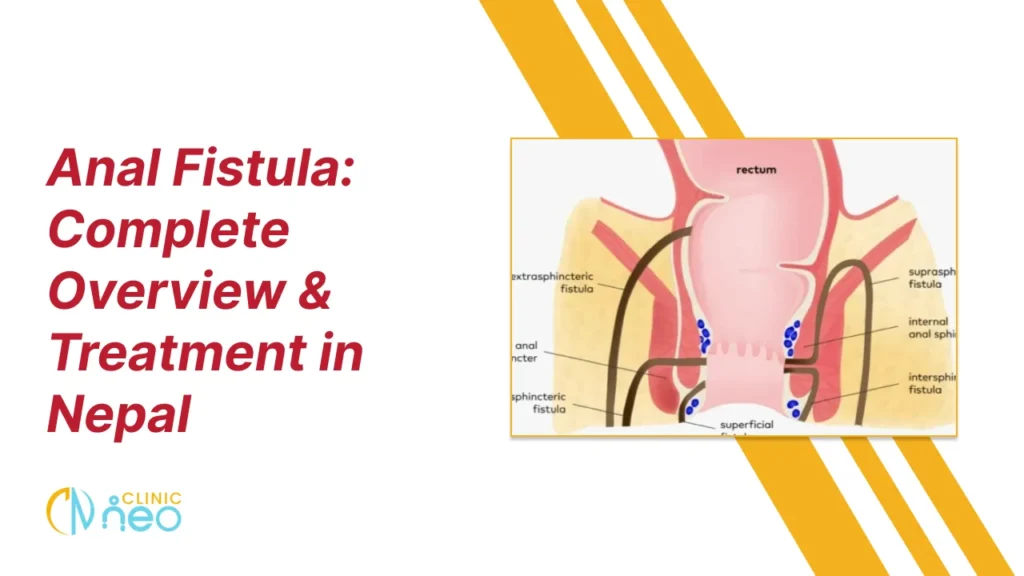
Anal Fistula: Complete Overview & Treatment in Nepal
Are you suffering from painful sensations or continuous discharge in your anal region? If sitting down or passing stool is becoming difficult for you, you could be having an anal
5 min read
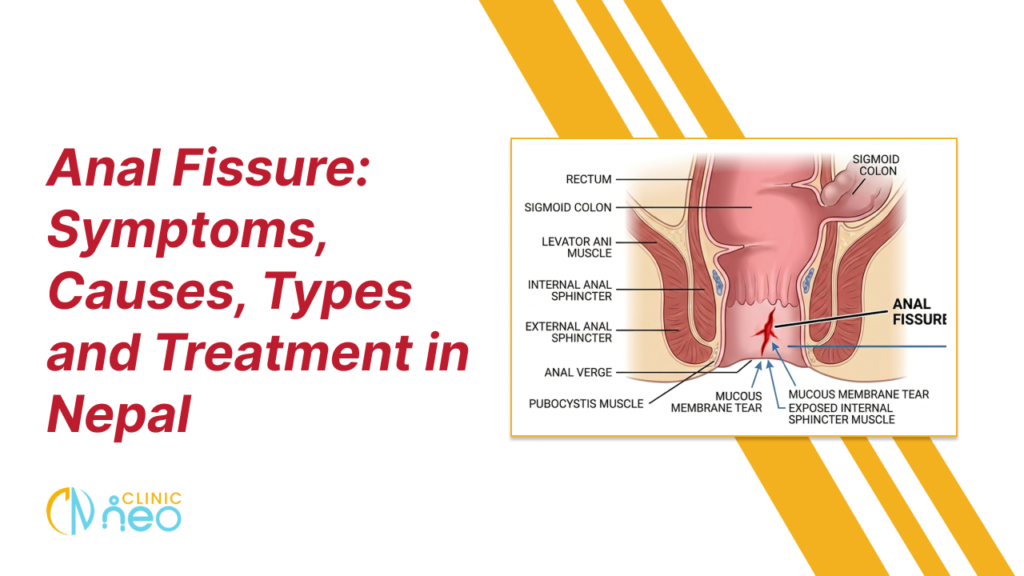
Anal Fissure: Symptoms, Causes, Types and Treatment in Nepal
Experiencing sharp pain during bowel movements or noticing blood after passing stool can be worrying. These symptoms are often ignored or mistaken for piles (hemorrhoids), causing many people to delay
5 min read