
Why Choose Laser Treatment for Piles? Benefits, Risks & Recovery
- 5 min read
-
 Clinic Neo

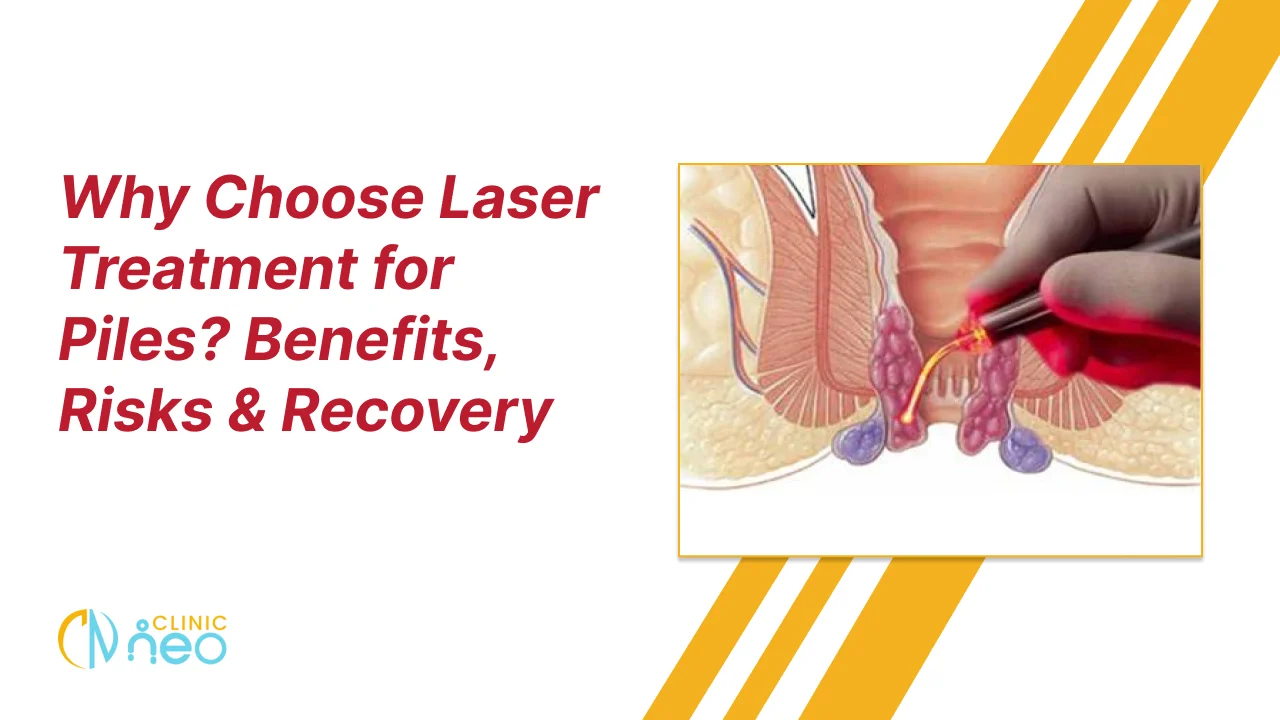
Piles can make everyday activities such as sitting, walking, and passing stools uncomfortable. If you are considering laser treatment, you may wonder whether it is less painful than conventional surgery, how quickly you can recover, and whether it is the right option for you.
Laser treatment offers potential benefits for suitable patients. However, it also has limitations, and it may not be the best choice for everyone. In this guide, we’ll explore the benefits, risks, recovery time, and key factors to consider before choosing laser treatment for piles.
Why Choose Laser Treatment for Piles?
Piles treatment with Laser Technology has proven itself to be a safe, highly effective, very less painful, and a very user friendly treatment in terms of recovery time, and recurrence rate. This technology enables patients to recover faster with less pain and also maintain mobility required to do basic tasks from Day 1 of the surgery.
Benefits of Laser Treatment for Piles
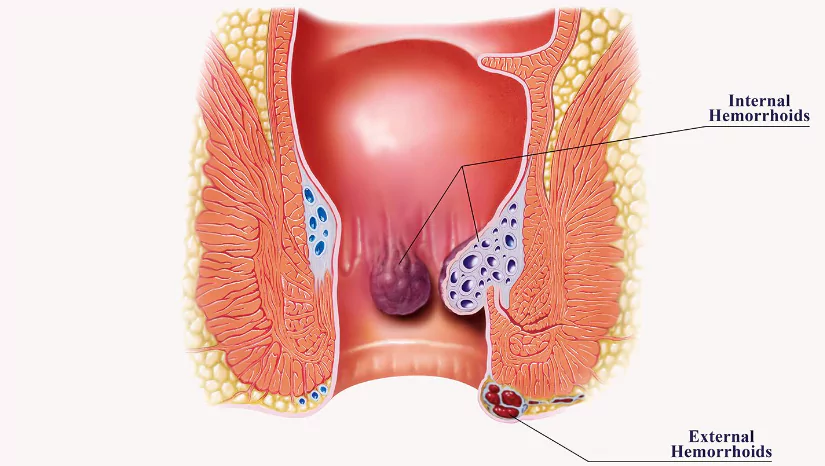
1. Minimally Invasive Procedure
Laser treatment for piles is a minimally invasive procedure that requires only a small incision or no external incision, depending on the technique used. This helps reduce tissue damage, postoperative pain, and recovery time.
2. Precision and Accuracy
Laser technology allows surgeons to target the affected tissues with greater precision. This helps protect the surrounding healthy tissues and reduces unnecessary tissue damage during treatment.
3. Less Pain and Discomfort
Patients generally experience less postoperative pain and discomfort with laser treatment than with conventional surgical removal of piles. However, the level of pain varies depending on the treatment method and the severity of the condition.
4. Reduced Bleeding
Laser technology helps seal blood vessels during the procedure, which reduces bleeding during treatment. This helps minimise postoperative bleeding and supports a smoother recovery.
5. Potentially Lower Risk of Infection
Laser treatment causes less damage to surrounding tissues compared to conventional surgical methods and helps limit certain postoperative complications. However, treatment does not eliminate the risk of infection, and proper surgical technique and aftercare remain important.
6. Potential for Same-Day Discharge
Laser treatment for piles is often performed as an outpatient procedure, allowing patients to return home on the same day. This reduces the need for an extended hospital stay and helps patients get back to their daily routines sooner.
Limitations and Risks of Piles Laser Treatment
Just like a coin has two sides, laser treatment for piles also has some limitations. However, its benefits outweigh its limitations. Understanding the possible risks, costs, and treatment outcomes can help you make an informed decision with your doctor.
1. Cost of Laser Treatment
The cost of piles laser treatment might be higher than conventional surgery at some hospitals. The total cost depends on the type and severity of piles, the procedure performed, diagnostic tests, anaesthesia, and follow-up care.
2. Possible Side Effects and Complications
Like any surgical procedure, laser treatment can cause temporary discomfort, swelling, or minor bleeding during recovery. Following the doctor’s postoperative instructions and attending scheduled follow-up appointments helps support proper healing.
3. Risk of Recurrence
Laser treatment effectively treats piles in suitable patients, but symptoms can return in some cases depending on the original condition, the procedure performed, and factors such as ongoing constipation or straining during bowel movements. Maintaining healthy bowel habits and following medical advice can help reduce contributing risk factors.
4. Not Suitable for Every Patient
Laser treatment is not necessarily the best option for every type of piles. The most appropriate treatment depends on the severity of the condition, the symptoms, and the patient’s overall health. Some patients may benefit more from medication, while others may benefit from minimally invasive procedures, or conventional surgery.
Process and Timeline of Piles Laser Treatment
The laser treatment of piles involves a few simple steps, from the initial consultation to surgery and post-treatment care.
1. Initial Consultation and Examination
To determine the appropriate treatment for piles, our doctors first conduct an outpatient department (OPD) examination and discuss the available treatment options with the patient.
2. Treatment Planning and Scheduling
Not all cases of piles require laser treatment. Our doctors carefully assess each patient’s condition and recommend the most appropriate treatment. If laser treatment is suitable and the patient agrees to proceed, a surgery date is scheduled at a mutually convenient time.
3. Preoperative Tests and Preparation
Once the surgery date is confirmed, the patient must complete the necessary laboratory tests in advance. Having the reports ready before the scheduled procedure allows our medical team to review the results and address any concerns that could affect the treatment.
4. Fasting and Arrival at the Clinic
Patients must follow the fasting instructions provided by their doctor before surgery. The required fasting period depends on the anaesthesia and procedure planned, so patients should follow the clinic’s specific instructions regarding food and liquids. Patients should arrive at the clinic approximately one hour before their scheduled surgery time.
5. Care During and After Surgery
Upon arrival, our experienced nursing team and medical professionals guide patients through the procedure and provide appropriate care during and after surgery. The medical team also provides postoperative instructions to support recovery and help patients return to their daily activities.
How Long Does It Take to Recover After Laser Piles Treatment?
One of the main advantages of laser treatment for piles is a relatively quick recovery compared with conventional surgery. Since laser treatment of piles does not include any open cut wound, the patients can actually maintain basic mobility since the day of the operation itself, while complete recovery depends on the severity of the piles and the type of treatment performed.
Patients should follow their doctor’s instructions, avoid unhealthy foods, drink enough water, and avoid straining during bowel movements to support healing. Attending follow-up appointments also helps ensure a smooth recovery.
The doctor will provide personalised guidance on when you can return to work, exercise, and other regular activities based on your condition and progress.
Is Laser Treatment the Right Option for You?
Laser treatment is an effective, minimally invasive option for piles, offering less postoperative discomfort and faster recovery for suitable patients. However, the right treatment depends on your condition and its severity. A proper medical examination is the best way to determine whether laser treatment is the right choice for you.
At Clinic Neo, our experienced doctors team provides expert consultation and personalized treatment plans for piles, fissures, fistulas, and other anorectal conditions. Book a consultation with Clinic Neo to find the right treatment for your needs.
Frequently Asked Questions (FAQs)
Is piles surgery 100% successful?
No surgery can guarantee 100% success. Laser treatment can effectively treat piles in suitable patients, but the results depend on the severity of the condition and the treatment method used.
Is piles laser surgery painful?
Laser piles surgery is usually performed with anaesthesia to reduce pain during the procedure. Some discomfort may occur after surgery, but many patients experience less postoperative pain than with conventional surgery.
Can piles come back after laser treatment?
Yes, piles can return after laser treatment. Eating fibre-rich foods, drinking enough water, and avoiding straining during bowel movements can help reduce the risk of recurrence.
Is laser treatment better than conventional piles surgery?
Laser treatment offers benefits such as less postoperative pain and faster recovery for suitable patients. However, the best option depends on the type and severity of piles. Your doctor can recommend the most appropriate treatment for your condition.
Can I go home on the same day after piles laser treatment?
Yes, many patients can return home on the same day after laser piles treatment. However, this depends on the procedure performed, your recovery, and your doctor’s assessment.
READY TO TAKE THE NEXT STEP?
We're Here to Help
You Feel Better.
Whether you have a question, need more information, or are ready to book your consultation – our team is just a call or message away.
Working Hours
Sunday - Friday (7:00 AM - 7:00 PM)
Saturday (7:00 AM - 10:00 AM)
Call Us
9805678379, 01-5907370
Email Us
clinicneonepal@gmail.com
Visit Us
Lokanthali, Bhaktapur, Nepal
Our Recent Blogs

5 min read
Who Is a Suitable Candidate for Piles, Fissure and Fistula Laser Surgery?
Laser surgery sounds simple, with smaller cuts and a potentially faster return to daily life. But you might be wondering, “Is it right for me?”. The answer depends on more

5 min read
Proctologist vs Gastroenterologist in Nepal: Which Specialist Should You See?
When you have persistent digestive problems like Anal pain, rectal bleeding, or constant stomach ache, it can leave you unsure which doctor to call. In Nepal, this confusion is common
5 min read
Constipation Treatment in Nepal: Causes, Symptoms, Diagnosis and Treatment Options
Constipation can make everyday life uncomfortable, from feeling heavy and bloated to spending too much time in the bathroom. It can affect people of all ages and may be linked
5 min read
Anal Fistula: Complete Overview & Treatment in Nepal
Are you suffering from painful sensations or continuous discharge in your anal region? If sitting down or passing stool is becoming difficult for you, you could be having an anal
5 min read
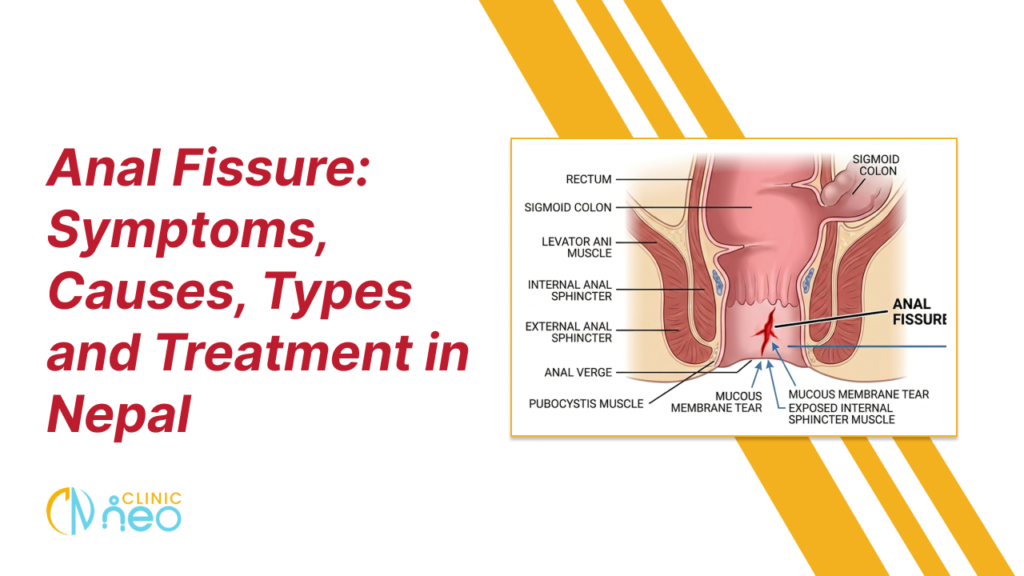
Anal Fissure: Symptoms, Causes, Types and Treatment in Nepal
Experiencing sharp pain during bowel movements or noticing blood after passing stool can be worrying. These symptoms are often ignored or mistaken for piles (hemorrhoids), causing many people to delay

5 min read