
Constipation Treatment in Nepal: Causes, Symptoms, Diagnosis and Treatment Options
- 5 min read
Constipation can make everyday life uncomfortable, from feeling heavy and bloated to spending too much time in the bathroom. It can affect people of all ages and may be linked to diet, low physical activity, dehydration, medicines, or an underlying health condition. The good news is that most cases improve with the right lifestyle changes and timely medical care.
This guide explains the common causes, warning signs, diagnosis, prevention, and treatment options available in Nepal.
What Is Constipation? / कब्जियत भनेको के हो?
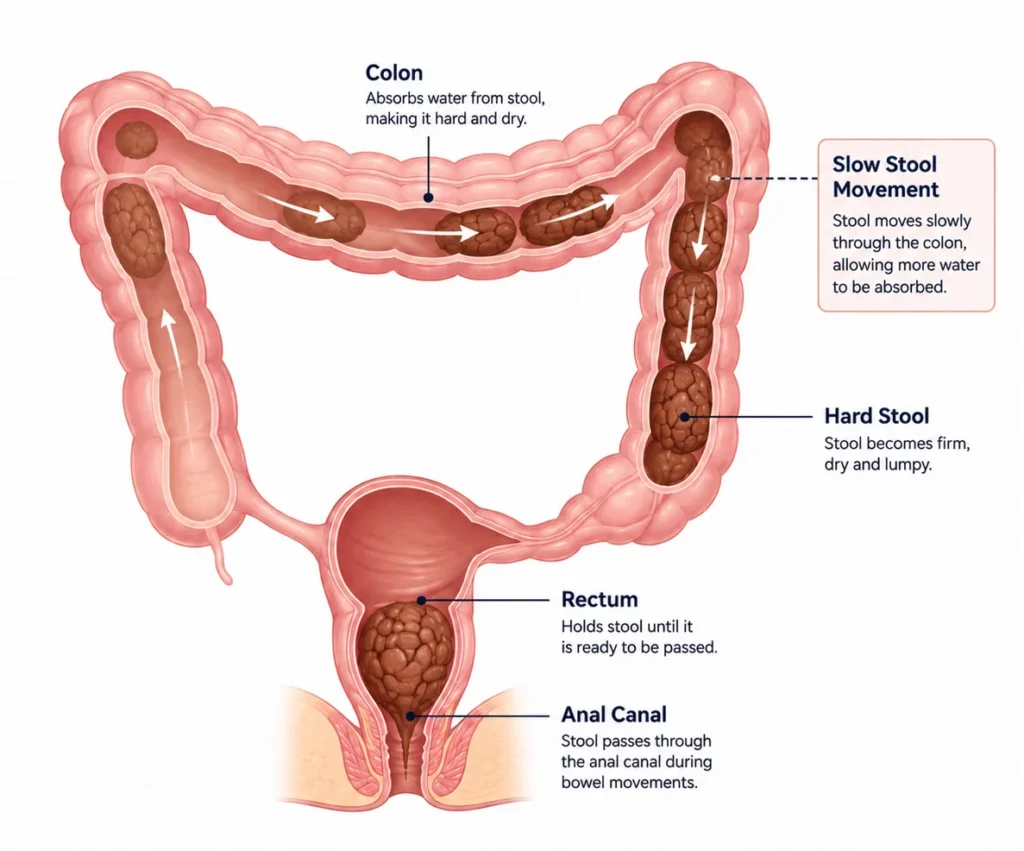
Constipation (कब्जियत) is a digestive condition in which bowel movements become less frequent or difficult to pass. It commonly involves fewer than three bowel movements a week, hard or lumpy stools, straining or pain during bowel movements, or a feeling that the bowel has not emptied completely.
Bowel habits vary from person to person. Therefore, a change from your usual pattern is also important. Occasional constipation is often temporary. Repeated or long-lasting symptoms need a proper assessment rather than repeated self-medication.
What Causes Constipation? / कब्जियतको कारण के हो?
Constipation can have more than one cause. Common causes include:
- Eating too little fiber, such as too few vegetables, fruits, pulses, and whole grains.
- Not drinking enough fluids or becoming dehydrated.
- Sitting for long periods and getting little physical activity.
- Ignoring the urge to pass stool or changing your daily routine.
- Health problems such as diabetes, an underactive thyroid, irritable bowel syndrome (IBS), or pelvic-floor muscle problems.
- Medicines and supplements such as iron tablets, opioid pain medicines, some antacids, and certain other prescription medicines.
Note: Do not stop a prescribed medicine without speaking to your doctor.
Symptoms of Constipation / कब्जियतका लक्षणहरू
Common symptoms of constipation include:
- Passing stool fewer than three times a week.
- Hard, dry, or small stools.
- Straining or pain while passing stool.
- Bloating, fullness, stomach discomfort, or cramps.
- A feeling that some stool is still left inside.
- Needing to use your hand or press around the abdomen to pass stool. This symptom needs medical advice.
When Is Constipation Considered Chronic?
Constipation may be referred to as chronic constipation if it persists for approximately three months, happens frequently, or recurs regularly. Chronic constipation may have an effect on one’s daily activities and may even lead to conditions such as piles (hemorrhoids), anal fissure (गुदा चिरा), and impacted feces.
It is important not to consider chronic constipation as a condition caused by food alone because it may be associated with drugs, thyroid disorder, diabetes, IBS, slow intestinal transit, or poor coordination of pelvic floor muscles. A professional doctor can help identify the cause.
How Is Constipation Diagnosed?
Constipation diagnosis normally starts with questions about your bowel habits, the consistency of your stool, dietary habits, fluid intake, physical activity, medication use, medical background, and symptoms.
Based on your age, symptoms, physical exam results, and risk factors, the physician may decide on conducting blood tests and additional diagnostic tests. Such tests may include thyroid and glucose levels measurement, imaging studies, colon evaluation, bowel-transit testing or pelvic floor examination. All constipated individuals do not require a colonoscopy. This study is chosen based on a clinical rationale.
Constipation Treatment in Nepal
Lifestyle and Dietary Changes / जीवनशैली र खानपानमा परिवर्तन
Many individuals find relief from constipation through lifestyle and diet changes which form the first step in the constipation treatment without surgery:
- Increase fiber intake: Add lentils (दाल), beans (सिमी), chickpeas (चना), kidney beans (राजमा), leafy greens (साग), vegetables (तरकारी), oats (ओट्स), brown rice (ब्राउन राइस), corn (मकै), or millet (कोदो) and fruits (फलफूल) such as papaya (मेवा), guava (अम्बा), orange (सुन्तला), to your meals. Increase fiber gradually to help prevent gas and bloating.
- Drink enough water: Take water regularly in a day. If you suffer from kidney, heart or liver disease and have been prescribed by a doctor to drink less water then discuss with your doctor about increased water consumption.
- Stay active: Walk for about 20 to 30 minutes everyday to encourage bowel movement. Begin slowly with exercise according to your comfort
- Build a toilet routine: Try going to the toilet at the same time every day; preferably within 15 to 45 minutes after your breakfast. Don’t resist the urge to pass stool and don’t strain yourself.
- Improve your toilet posture: Place your feet on the footstool so your knees should be above your hips. Be relaxed and don’t hurry up.
You do not need any detoxification program for constipation management. Follow some effective home remedies for constipation and have an appropriate diet. If your symptoms continue, consult an expert doctor for proper advice and treatment.
Medicines for Constipation
When lifestyle modification is not sufficient, some medications may prove helpful in providing relief from constipation depending on their cause, severity, and duration.
- Fiber supplements: Assist in adding bulk to stools and facilitate regular bowel movements.
- Stool softeners: Soften the stools so that they can be easily expelled, especially when straining is to be avoided.
- Osmotic laxatives: Help in drawing water into the bowel, thus facilitating easy expulsion of stools.
- Prescription medicines: People with severe or persistent constipation may need medicines prescribed by a doctor.
NOTE: Laxatives are not meant for continued use for prolonged periods without medical advice. In case any other medication such as iron tablets or pain killers is leading to constipation, talk to your physician.
Treatment for Chronic or Severe Constipation
Chronic constipation treatment in Nepal may include:
- A personalized plan for fiber intake, fluid intake, exercise, and bathroom habits.
- Adjusting a medicine that is contributing to constipation, only under medical supervision.
- Prescribed medication for chronic constipation where necessary.
- Biofeedback treatment to promote coordinated muscle movement of the pelvic floor muscles.
- Treatment for conditions such as hypothyroidism, diabetes, IBS, or an anal fissure.
- Specialist evaluation for bowel blockage, impacted stool, or severe motility problems.
Surgery is rarely required for constipation. However, it may be needed in certain circumstances, like a proven bowel obstruction or difficulty in passing stools despite adequate treatment.
When Should You See a Doctor for Constipation?
Contact a doctor if constipation is regular, lasts more than two weeks, keeps returning, or does not improve with self-care. You should seek urgent medical care if constipation occurs with:
- Blood in the stool or bleeding from the rectum.
- Constant or severe abdominal pain, a very swollen abdomen, or worsening cramps.
- Vomiting, fever, or inability to pass gas or stool.
- Unexplained weight loss, marked weakness, or a sudden change in bowel habits.
Can Constipation Cause Complications?
If constipation is left untreated or if it recurs, there could be a situation where the stools become so hard that it gets stuck, this is known as faecal impaction. Straining can also result in piles, anal fissure, and anal fistula which can result in pain and even bright red blood.
Severe abdominal pain, vomiting, or not being able to pass gas may signal a blockage and needs urgent medical attention.
How to Prevent Constipation
You can lower the risk of constipation by following a regular routine:
- Eat fiber-rich foods such as lentils (दाल), beans (सिमी), leafy greens (साग), vegetables (तरकारी), fruits (फलफूल), and whole grains every day.
- Drink adequate water unless a doctor has advised fluid restriction.
- Walk or exercise regularly.
- Do not ignore the urge to pass stool.
- Keep a consistent toilet routine and avoid excessive straining.
- Review medicines that may cause constipation with your doctor.
Conclusion
Constipation can be easily controlled with some basic changes like a high-fiber diet, proper fluid intake, physical exercise, and good toilet practices. In cases where constipation persists, is severe, or recurs, a consultation with a healthcare provider would be needed in order to find out the cause and treat it accordingly.
Clinic Neo offers consultations with GI specialists who will assist in diagnosing the cause of constipation or any other gastrointestinal problem. With the help of a personalized gastroenterology consultation and diagnostic procedures like colonoscopy and endoscopy, the cause of your symptoms can be found and a suitable treatment plan can be recommended.
Frequently Asked Questions (FAQs)
What is the fastest way to relieve constipation?
For mild constipation, you could drink plenty of water, take a walk, eat fiber-rich foods, and listen to your body. Your doctor may advise you on an appropriate laxative for you. Don’t rely on stronger laxatives regularly, and seek immediate attention in case of severe pain, vomiting, blood in your stool, or not being able to pass gas.
How long can constipation last?
Constipation can last a few days, depending on the cause. When it persists for more than two weeks, comes back, or doesn’t get better through self-treatment, visit your doctor. Signs that persist for about three months, come back frequently, can signify chronic constipation.
Is constipation a serious problem?
Mild constipation is usually nothing serious to worry about. Severe constipation, however, can lead to impaction, piles, or an anal fissure. In addition, constipation with blood, severe abdominal pain, vomiting, fever, unexplained weight loss, or no ability to pass gas requires immediate medical attention.
Can constipation be a sign of another health problem?
Yes. Constipation is often linked to diabetes, hypothyroidism, IBS, dehydration, pelvic floor disorders, blocked bowel, and even side-effects from medications. Changes in bowel habits, especially when associated with other symptoms, should be looked into.
Does drinking more water help constipation?
Drinking enough water and other fluids, in general, is helpful in softening the stool. This is particularly the case if you increase your intake of fiber. However, drinking more fluids may not work for everyone. Patients with kidney, heart, or liver conditions need to avoid extra fluid intake and should consult their doctors before trying to increase their fluid intake
What foods help with constipation?
Fiber-rich foods can help, including dal, beans, chana, rajma, saag, vegetables, papaya (मेवा), guava (अम्बा), oranges (सुन्तला), oats, brown rice, whole-grain roti, maize, and millet/kodo (कोदो). Increase your fiber intake gradually while ensuring adequate fluid intake to avoid bloating.
Can constipation be completely cured?
Yes, most of the cases respond well to the treatment once the underlying cause has been addressed. Although, some may suffer from constipation for many years and require a continuous treatment regimen.
READY TO TAKE THE NEXT STEP?
We're Here to Help
You Feel Better.
Whether you have a question, need more information, or are ready to book your consultation – our team is just a call or message away.
Working Hours
Sunday - Friday (3:00 PM - 7:00 PM)
Saturday (8:00 AM - 11:00 AM)
Call Us
9805678379, 01-5907370
Email Us
clinicneonepal@gmail.com
Visit Us
Lokanthali, Bhaktapur, Nepal
Our Recent Blogs

5 min read
Proctologist vs Gastroenterologist in Nepal: Which Specialist Should You See?
When you have persistent digestive problems like Anal pain, rectal bleeding, or constant stomach ache, it can leave you unsure which doctor to call. In Nepal, this confusion is common
5 min read
Constipation Treatment in Nepal: Causes, Symptoms, Diagnosis and Treatment Options
Constipation can make everyday life uncomfortable, from feeling heavy and bloated to spending too much time in the bathroom. It can affect people of all ages and may be linked
5 min read
Anal Fistula: Complete Overview & Treatment in Nepal
Are you suffering from painful sensations or continuous discharge in your anal region? If sitting down or passing stool is becoming difficult for you, you could be having an anal
5 min read
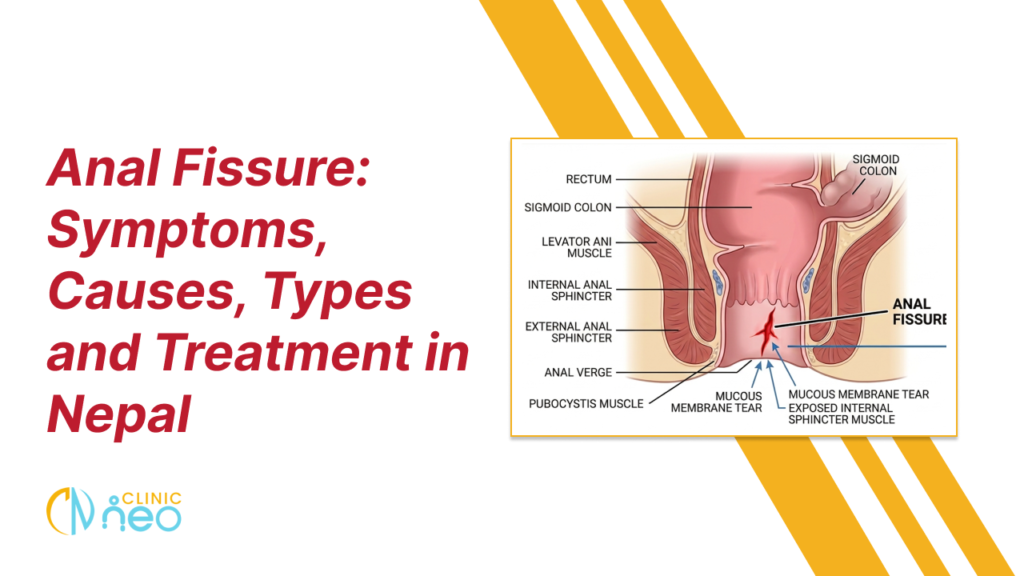
Anal Fissure: Symptoms, Causes, Types and Treatment in Nepal
Experiencing sharp pain during bowel movements or noticing blood after passing stool can be worrying. These symptoms are often ignored or mistaken for piles (hemorrhoids), causing many people to delay

5 min read
Common Myths About Piles: What Doctors Really Say

5 min read