
Laser vs Open Piles Surgery: Benefits, Risks & Which Is Better?
- 5 min read
-
 Clinic Neo

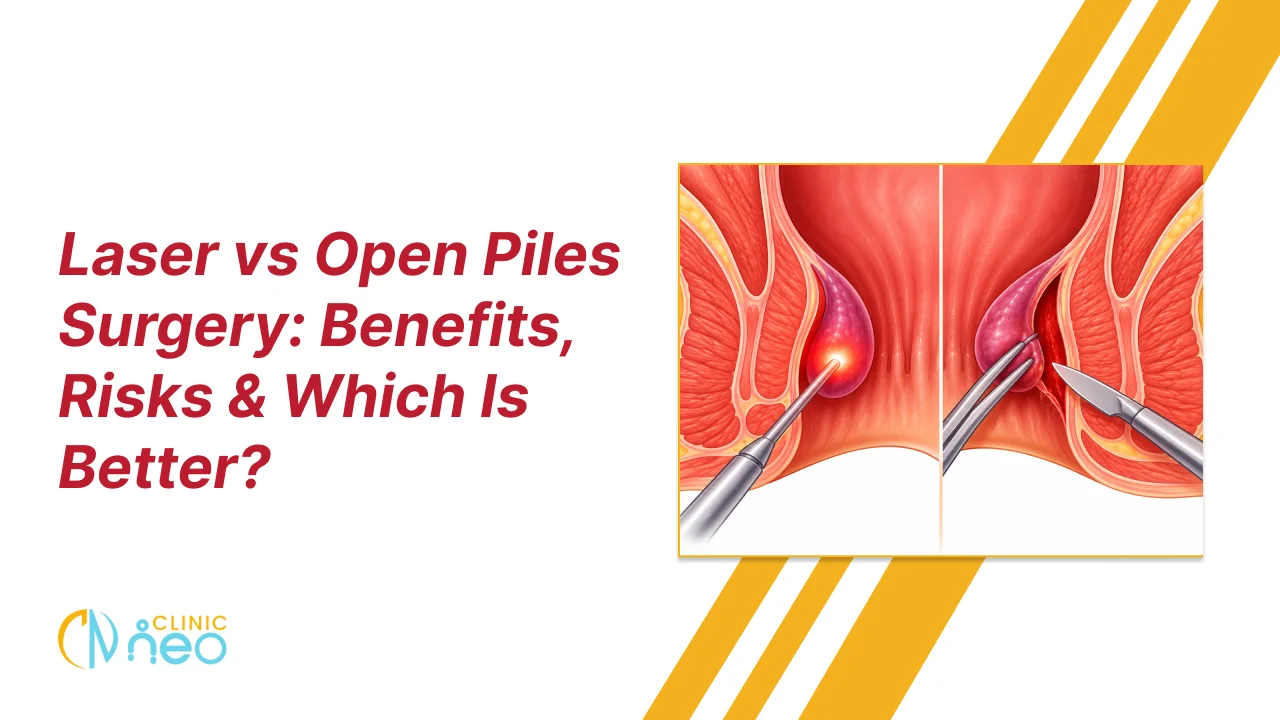
Undergoing piles surgery is itself stressful enough, but opting for laser surgery or open surgery makes your choice even more difficult. You might also wonder if laser surgery is actually worth it as compared to traditional surgery as both the surgeries are conducted for removing or treating piles. But there can be significant differences in how they work, recovery time, and overall experience.
Before you decide, it is necessary that you know about each procedure and what to expect from it. In this guide, we will compare laser vs open piles surgery to help you understand the differences and make a more informed treatment decision.
What Is Open Piles Surgery (Conventional Hemorrhoidectomy)?
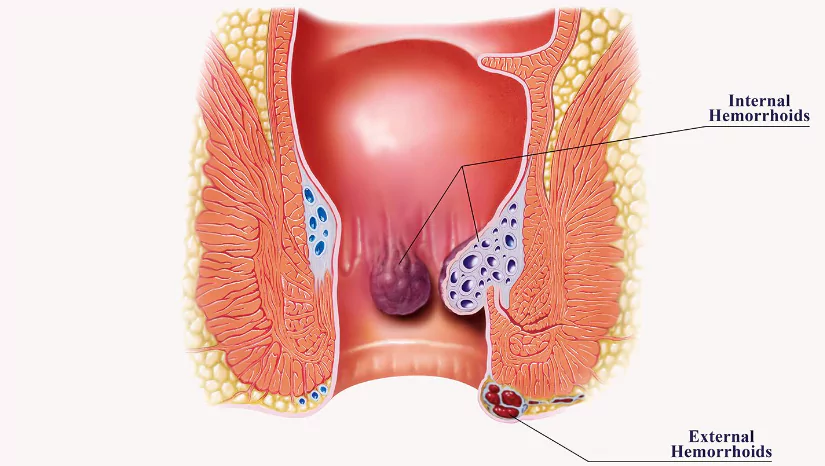
Open piles surgery, medically called as conventional hemorrhoidectomy, removes swollen piles (hemorrhoids) tissue with surgical instruments like a scalpel, scissors or an energy device. This is also known as traditional piles surgery or surgical excision. In this method the surgeon may follow Milligan-Morgan technique where the wounds are left open to heal naturally or follow Ferguson technique where the wounds are completely closed with stitches depending on the case.
The ASCRS 2024 guideline advises hemorrhoidectomy for persistent symptoms from external hemorrhoids, or combined internal and external hemorrhoids with prolapse (grades 3 to 4).
Benefits of Open Piles Surgery
- Complete treatment in one operation: The surgeon performs excision of internal piles, external piles, and skin tags in one surgery without requiring any additional treatment.
- Suitable for advanced grade piles: It is suitable for grade 3 and 4 piles, including large or mixed types. It is generally preferred when piles stay outside the anus or cannot be pushed back.
- Proven track record: This surgical technique has been in use for many years; hence the outcome and complications are known to the surgeons very well.
- Low recurrence: It is appreciated because of its low recurrence rate. Since the dilated tissues are removed, chances of recurrence are minimal. Proper bowel habits are still important for prevention of recurrence.
- Option for complicated piles: Open surgery may be considered for thrombosed external piles in some cases. Your surgeon determines whether excision is a better choice than other techniques.
Drawbacks of Open Piles Surgery
- More pain after surgery: Pain is most severe during the first week especially during bowel movements. A pain management plan with various medications as well as stool softeners and sitz bath, keeps it manageable.
- Longer recovery: Most patients require 2-3 weeks or even longer before resuming their normal activities. Desk work can be done early while physical work requires long recovery time.
- Wound care needed: If wounds are open, it needs regular cleaning and warm sitz baths until they heal. Complete healing may take several weeks
- Possible complications: In case of open wounds, there are possible complications such as bleeding, anal stenosis and incontinence. Other complications include urinary retention and infections.
- Anaesthesia needed: Spinal or general anaesthesia is usually required, so pre-surgery anaesthetic check is needed. You may also need to stay in hospital for a short period afterwards.
Procedure of Open Piles Surgery
- Initial Assessment: Your doctor will examine you, take your history, and conduct some blood tests. In addition, he may also suggest you to have a colonoscopy if there is any bleeding that requires more investigation.
- Anaesthesia: Spinal or general anaesthesia is given after an anaesthetic check.
- Excision: The surgeon will remove the enlarged tissue, stop the bleeding, and either leave the wound open to heal naturally or stitch the wound depending upon the case.
- Recovery: You will be observed, managed for pain and will be discharged on the same day or the next 1-2 days.
What Is Laser Piles Surgery?
Laser piles surgery, medically called laser hemorrhoidoplasty (LHP), is a minimally invasive procedure that places a thin laser fibre inside the pile through a tiny opening. Laser energy heats and shrinks the tissue which reduces its blood supply and the tissue scars and settles back. The tissue is generally not cut out, and most of the anal lining is preserved. This procedure is usually discussed for selected internal hemorrhoids. It may not remove a large external component or excess skin.
Benefits of Laser Piles Surgery
- Less pain: A 2023 meta-analysis found that laser treatment resulted in less postoperative pain and fewer complications than conventional surgery for Grade 2 and 3 piles.
- Faster return to life: Patients generally recover faster after laser treatment and can return to work and their normal daily activities sooner than conventional surgery.
- No tissue removed: Laser energy shrinks the piles from inside through a tiny opening. There is no large wound, and most of the anal lining is preserved.
- Shorter surgery, less blood loss: Laser treatment involves less blood loss and generally takes less time to complete. This makes it a simpler procedure for suitable piles patients.
- Lower Risk of Complications: Laser treatment causes less damage to surrounding tissues which reduces the risk of postoperative complications like infections while supporting a smoother recovery.
Drawbacks of Laser Piles Surgery
- Limited to certain grades: It is best suited to grade 2 and 3 internal piles. Grade 4 piles are treated only in selected cases, usually with extra steps by an experienced surgeon.
- External piles not routinely treated: External piles and skin tags are handled only in selected cases, not as part of the standard procedure. If you have large skin tags, your surgeon may suggest a different or combined approach.
- Not for active infection: If you have existing abscess, proctitis or undrained fistula then it must be treated first. Laser surgery is planned only after the infection has settled.
- Short-term bleeding or clots: Some patients may experience minor bleeding or blood clots after laser surgery. These issues are usually manageable with proper medical care and follow-up.
Procedure of Laser Piles Surgery
- Grading: The surgeon examines you and confirms the piles are suitable for laser surgery.
- Preparation: You follow fasting instructions. Bowel preparation is often not needed.
- Anaesthesia: Local, regional or general anaesthesia is used depending on the case.
- Access: A small puncture is made at the anal verge and the laser fibre is guided under the pile.
- Laser energy: Short pulses shrink the pile from inside. Each pile is treated separately.
- Finish: A small gauze dressing is applied. Most patients can go home the same day.
Laser vs Open Piles Surgery: Overall Comparison
| Feature | Laser Hemorrhoidoplasty | Open Hemorrhoidectomy |
| Procedure | Uses laser energy to shrink piles from inside | Surgically removes the affected piles tissue |
| Wound | Usually requires a small puncture | Leaves an open surgical wound |
| Anaesthesia | Local, spinal, or general | Usually spinal or general |
| Best suited for | Mainly Grade 2 and 3 internal piles | Advanced, external, or mixed piles |
| Postoperative pain | Generally less pain | Usually more pain |
| Bleeding | Generally less bleeding during surgery | Usually more bleeding during surgery |
| Hospital stay | Usually discharged on the same day | Same-day discharge or a short hospital stay |
| Return to daily activities | Generally within a few days | Usually takes a few weeks |
| Possible complications | Bleeding, blood clots, and recurrence | Pain, bleeding, urinary retention, and infections |
Recovery Process After Piles Surgery
Recovery depends on the procedure, your grade of piles and your daily work. Healing is smoother when bowel movements stay soft and easy.
Recovery After Laser Surgery
- After treating piles with a laser, most people can walk within a few hours and go home the same day.
- Mild soreness, pressure or light spotting is common for a few days.
- Desk work is often possible within a few days. Heavy lifting usually needs a week or as advised.
- Take prescribed medicines and stool softeners. Clean the area gently and use warm sitz baths.
- Treated piles will shrink within several weeks on their own.
Recovery After Open Surgery
- Pain is strongest in the first week, especially during bowel movements.
- Strictly follow the after care process and pain management plan.
- Warm sitz baths after each bowel movement ease discomfort and keep wounds clean.
- Many people return to desk work in 1-2 weeks. A full routine often takes two to three weeks.
- Complete wound healing can take several weeks.
For both types, following dos and don’ts during piles and avoiding unhealthy foods are useful during healing.
Which Piles Surgery Is Better?
The better procedure is the one that safely fits the diagnosed problem and the patient’s priorities. A surgeon should explain why a procedure is suitable, what it is expected to treat, what it may not treat, and what alternatives are available.
Your situation | What is often considered |
Grade 1 to 2, early symptoms | Diet, medicines or office procedures first |
Grade 2 to 3 internal piles that keep causing symptoms | Laser hemorrhoidoplasty is a standard option |
Grade 3 with a large external part | Open surgery or a combined approach |
Grade 4 or permanent prolapse | Open surgery usually; laser with extra steps only in selected cases |
Large skin tags or external piles | Open excision |
Active abscess, fistula or proctitis | Treat the condition first, and move towards laser procedure |
Why Choose Clinic Neo for Piles Treatment in Nepal?
Laser and open piles surgery are both effective, and the better choice depends on your grade of piles, whether they are internal or external, and your symptoms. Laser suits many grade 2 and 3 internal piles with less pain and a quicker recovery. Open surgery remains the standard for advanced, large or mixed piles. A proper examination by an experienced piles surgeon is what turns this comparison into the right decision for you.
That is where Clinic Neo can help. Our centre in Lokanthali, Bhaktapur focuses on anorectal care, with senior GI surgeons leading every case. Each patient starts with an OPD consultation, and laser is advised only when it is truly the best fit. Our team of surgeon, anaesthesiologist and nurses supports you from arrival to recovery. Book a proctology consultation to discuss your options with a specialist.
Frequently Asked Questions (FAQs)
1. Can piles be treated without surgery?
Yes. Grade 1 and 2 piles often improve with fibre, water, better toilet habits and medicines. Office procedures such as rubber band ligation help selected cases. Surgery is used when symptoms persist or piles are advanced.
2. Can Grade 4 piles be treated with laser surgery?
Not as a routine choice. Experienced surgeons may combine laser with extra steps for selected grade 4 cases, but morbidity, pain and recurrence risk are higher. Open surgery is usually preferred. Your surgeon will advise after examination.
3. When can I return to work after piles surgery?
After laser surgery, desk work is often possible within a few days. After open surgery, one to two weeks is common. Physical jobs need longer. Your surgeon sets the exact timing.
4. Can I sit normally after piles surgery?
After laser surgery, most people sit with mild discomfort within a day or two. After open surgery, sitting may stay uncomfortable for one to two weeks. A soft cushion and warm sitz baths help.
5. How can I prevent piles from coming back after surgery?
- Eat high-fibre foods and drink enough water.
- Treat existing constipation early.
- Avoid straining and long toilet sessions.
- Stay active and attend follow-up visits.
READY TO TAKE THE NEXT STEP?
We're Here to Help
You Feel Better.
Whether you have a question, need more information, or are ready to book your consultation – our team is just a call or message away.
Working Hours
Sunday - Friday (7:00 AM - 7:00 PM)
Saturday (7:00 AM - 10:00 AM)
Call Us
9805678379, 01-5907370
Email Us
clinicneonepal@gmail.com
Visit Us
Lokanthali, Bhaktapur, Nepal
Our Recent Blogs
5 min read
Laser vs Open Piles Surgery: Benefits, Risks & Which Is Better?
Undergoing piles surgery is itself stressful enough, but opting for laser surgery or open surgery makes your choice even more difficult. You might also wonder if laser surgery is actually

5 min read
Who Is a Suitable Candidate for Piles, Fissure and Fistula Laser Surgery?
Laser surgery sounds simple, with smaller cuts and a potentially faster return to daily life. But you might be wondering, “Is it right for me?”. The answer depends on more

5 min read
Proctologist vs Gastroenterologist in Nepal: Which Specialist Should You See?
When you have persistent digestive problems like Anal pain, rectal bleeding, or constant stomach ache, it can leave you unsure which doctor to call. In Nepal, this confusion is common
5 min read
Constipation Treatment in Nepal: Causes, Symptoms, Diagnosis and Treatment Options
Constipation can make everyday life uncomfortable, from feeling heavy and bloated to spending too much time in the bathroom. It can affect people of all ages and may be linked
5 min read
Anal Fistula: Complete Overview & Treatment in Nepal
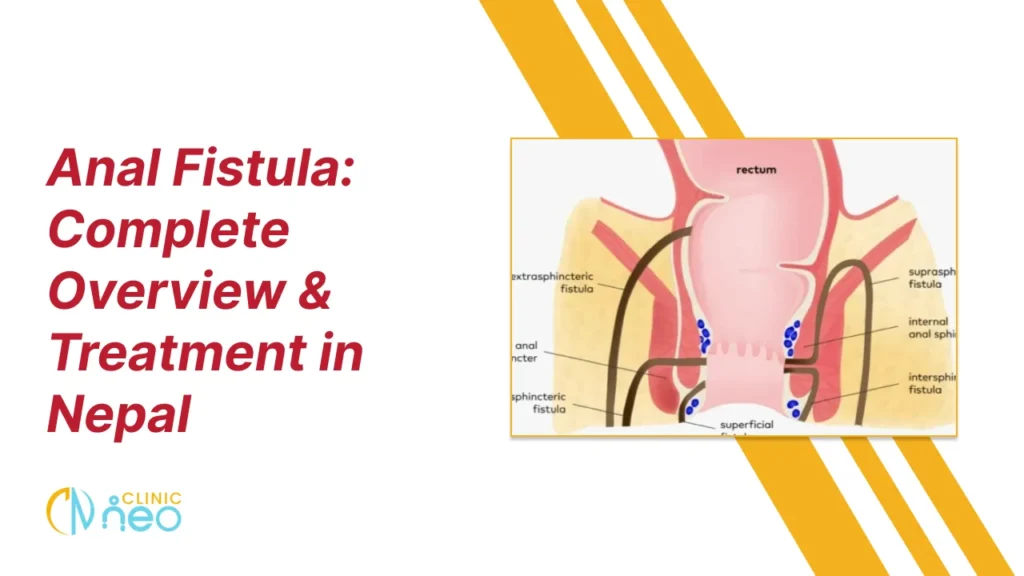
Are you suffering from painful sensations or continuous discharge in your anal region? If sitting down or passing stool is becoming difficult for you, you could be having an anal
5 min read
Anal Fissure: Symptoms, Causes, Types and Treatment in Nepal
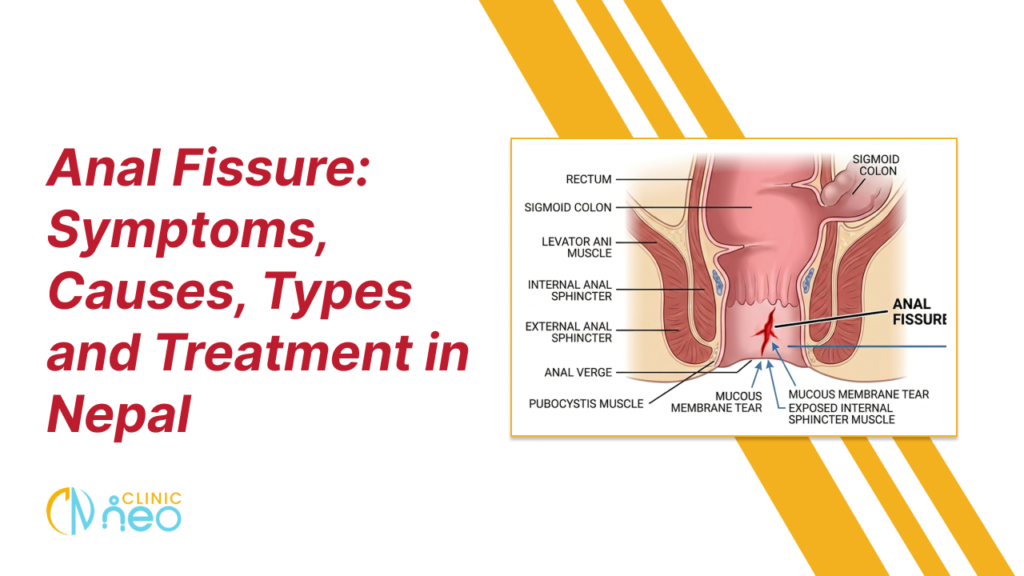
Experiencing sharp pain during bowel movements or noticing blood after passing stool can be worrying. These symptoms are often ignored or mistaken for piles (hemorrhoids), causing many people to delay