
Colonoscopy Prep in Nepal: A Complete Guide for Patients
- 5 min read
-
 Clinic Neo

Getting a colonoscopy helps to detect serious bowel conditions early on. But the idea of consuming a bowel prep solution and avoiding the favorite foods while having to stay close to the bathroom may seem daunting. However, there is no need to worry if you know how to prepare yourself for a colonoscopy.
Preparing for colonoscopy includes choosing the right kind of food and drinks as well as knowing about the bowel prep medication, taking precautions before the procedure and a little planning for a smooth process.
In this guide, we’ll walk you through how to prepare for a colonoscopy procedure, step by step, so you can arrive informed, prepared and ready for the procedure.
NOTE: This guide is for general education and does not replace advice from your doctor. Colonoscopy preparation may vary from person to person depending on the patient’s evaluation.
Why Is Preparation Important Before a Colonoscopy Procedure?
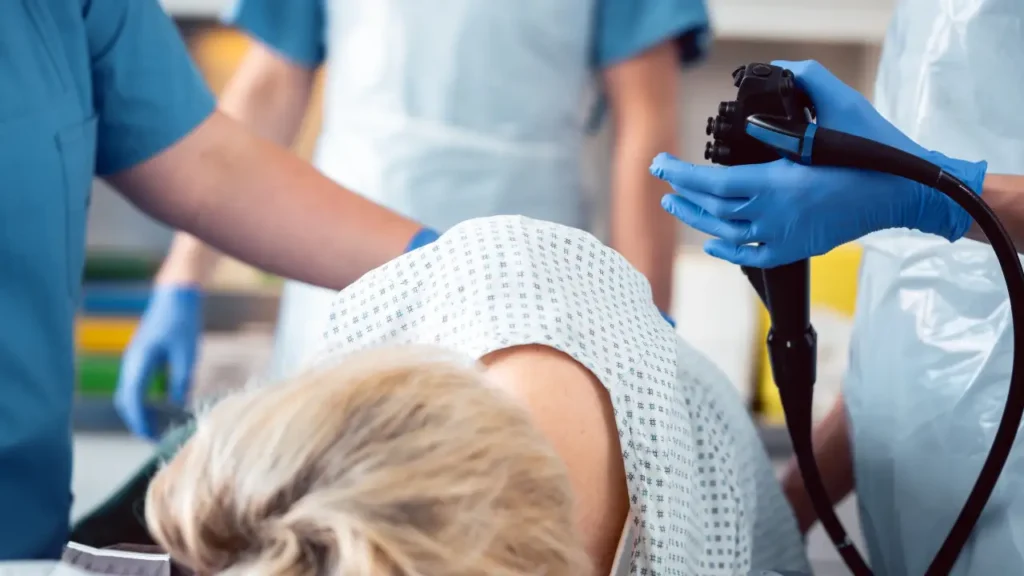
Colonoscopy prep is the process of cleaning your large intestine before a colonoscopy procedure. During colonoscopy, a doctor passes a flexible camera through the rectum to examine the colon and rectum. A clean bowel helps the doctor see the lining clearly. Stool can hide polyps and other changes on the intestinal lining, and when bowel preparation is poor, small growths may be missed or the test may need to be repeated.
Types of Colonoscopy Bowel Prep Medications
Bowel cleansing solutions are laxatives that pull water into the colon that increases bowel movements, so stool leaves as clear liquid. Your doctor chooses one based on your medical history, current medicines and past results. No single type suits everyone. Common options include:
Type | How it works | Good to know |
Polyethylene glycol (PEG) | Osmotic laxative mixed in water, taken as a 2 litre or 4 litre solution | Widely used. Often preferred when kidney or heart health is a concern. |
Sodium picosulfate with magnesium citrate | Stimulant and osmotic laxative in a low-volume drink | Smaller volume, but extra clear fluids are needed. May not suit kidney disease. |
Bisacodyl | Stimulant laxative tablet | Usually added to another prep, not used alone. |
WARNING: Do not buy a bowel prep medicine or add an extra laxative without advice.
Step-by-Step Colonoscopy Prep Guide
This guide should be used only as a rough outline for planning. Refer to your doctor’s detailed written instructions that will be provided. In many cases, doctors prescribe the diet 2 to 3 days before.
3 to 5 Days Before Colonoscopy
- Go through all your instructions and get your prep medications and clear liquids ready.
- Prepare a list of all the medications you are on, allergies, and any previous illnesses.
- Inform if you are on any blood thinners, diabetic medicines and iron tablets.
- Make sure to arrange someone to take you home because you won’t be able to drive after sedation.
- Arrange to stay at home close to a bathroom on the prep day.
- Start with a low fibre diet if recommended by your doctor.
1 to 2 Days Before Your Colonoscopy
- Start having low fibre food such as white rice, strained dal water, boiled eggs, boiled chicken or fish, peeled potato, and white bread. In some cases, liquids also become necessary.
- Do not eat red and purple foods and beverages. These colours can appear like blood in the colon.
- Drink lots of water to maintain hydration levels.
- Verify your colonoscopy prep timings.
The Day Before Your Colonoscopy
- Have a clear liquid diet. There are clinics that allow only clear fluids all day long, and some give a choice between eating low-fibre breakfast and early lunch.
- Choose water, clear broth, apple juice, light-colored gelatin, black tea or coffee without milk, and light-colored oral rehydration solution (ORS).
- Take the first dose in the evening, as prescribed.
- Expect bowel movements within about 1 to 3 hours with PEG. Other preps may require more time.
- Do not try to stop when bowel movements appear; stay close to a toilet and continue taking clear fluids to compensate for lost liquids and electrolytes.
- Use soft toilet paper and apply barrier cream. People who suffer from piles or anal fissure can have unpleasant experiences.
The Morning of Your Colonoscopy
- Take the second dose at prescribed time, normally 4 to 6 hours before the procedure.
- Stop all liquids at your clinic cut-off, normally 2 to 4 hours before sedation.
- Take prescribed medicines with a small sip of water.
- Check your stool. It should be a clear or pale-yellow liquid you could see through.
- Wear comfortable clothes, do not wear jewelry, bring your escort and list of your medications.
In case of accidental food intake, drinking, or miss a dose, call the clinic before visiting there. Do not decide on your own whether to cancel or proceed; the endoscopy team will make the final decision during procedure. In case of thick, brown or solid stool, inform them before procedure.
Foods and Drinks to Avoid Before a Colonoscopy
Fibre and dark colour foods usually cause most problems. Fibre leaves residue in the colon, and red or purple colours can look like blood. Although restrictions depend on your prescribed plan. Use this table as a general checklist on what to eat and avoid during colonoscopy prep.
Food group | Avoid | Better choices |
Whole grains | Brown rice, whole wheat roti, oats, millet or buckwheat dhindo | White rice, white bread, plain noodles |
Vegetables | Raw salad, gundruk, leafy greens, corn, peas, cabbage in momo filling | Peeled potato, well-cooked peeled vegetables in small amounts |
Pulses, nuts and seeds | Whole lentils, beans, chickpeas, nuts, seeds, popcorn | Strained dal water |
Fruits | Fruits with skin or seeds, such as guava and pomegranate, and dried fruit | Ripe banana, peeled apple |
Dairy | Milk, curd, cheese and ice cream on the clear liquid day | Clear liquids only on that day |
Meat | Tough, fried or spicy meat | Boiled or steamed chicken, fish, eggs |
Drinks | Alcohol, milk tea, juice with pulp, red or purple drinks | Water, clear broth, apple juice, black tea |
Important Precautions Before a Colonoscopy
Share all your prescriptions, painkillers, vitamins and other products before colonoscopy preparation. Some need a specific plan; stopping them without advice can be dangerous.
Medicines
- Blood thinners and antiplatelet medicines: Tell both the endoscopy team and the clinician who prescribed them. Do not stop medicines such as warfarin, apixaban, clopidogrel or aspirin unless the responsible clinician gives you a plan.
- Diabetes medicines and insulin: Fasting can change blood sugar needs. Ask for a medicine and glucose-monitoring plan before bowel prep day. Do not guess a dose on your own.
- Iron supplements: These supplements may need to be stopped temporarily before the test, but ask your doctor when to stop and whether this applies to you.
Health Conditions
- Tell your doctor if you have any kidney, heart or electrolyte conditions before using a bowel-cleansing solution. The safest product and fluid plan can differ.
- If you are pregnant or have allergies, previous bowel surgery, constipation or a history of difficult preparation then inform about these conditions to your doctor before starting colonoscopy preparation
Common colonoscopy prep mistakes.
These are the mistakes that most often lead to a repeat test:
- Stopping the bowel prep solutions early because the stool already looks watery. Finish the full prescribed preparation.
- Skipping or delaying the second dose of bowel preparation.
- Eating solid food, or drinking red or purple drinks, on colonoscopy day.
- Drinking the bowel prep solution too late, so the colon is not clear by the procedure time.
Sedation and recovery
- Sedation is given through an intravenous line, with monitoring throughout.
- You may feel drowsy and your judgement and reaction time may be affected after sedation. So, do not drive, use machinery, drink alcohol or sign important papers until the next day.
- Arrange a responsible adult to take you home after sedation.
- Having mild bloating, gas and cramps are common for a few hours after sedation.
- If you get severe abdominal pain, fever, repeated vomiting or heavy rectal bleeding then seek urgent care from a professional.
Why Choose Clinic Neo for Colonoscopy in Nepal?
Clinic Neo is a trusted choice for colonoscopy in Nepal. Our experienced doctors guide you through every step, from prep to results. Good preparation means a low-fibre diet, a clear liquid diet, a split-dose bowel cleansing solution and a clear plan for your medicines, and following these steps gives you an accurate exam with no repeat test.
With the right preparation and the right team, your colonoscopy can be simple and stress free. Our team reviews your symptoms, medical history and medicines during a pre-procedure gastroenterology consultation, then gives you detailed prep instructions. Your colonoscopy is performed with high-definition imaging and sedation, with your vital signs monitored throughout. Your findings and next steps are explained clearly after the procedure.
Frequently Asked Questions (FAQs)
1. How many days before a colonoscopy should I start preparing?
Start reading your instructions and buying supplies 5 to 7 days ahead. Many clinics begin a low-fibre diet 2 to 3 days before. The clear liquid diet and bowel prep start the day before. Follow your doctor’s timeline.
2. Can I eat the day before a colonoscopy?
Not solid food for the whole day. Many clinics allow only clear liquids. Some allow a low-fibre breakfast and lunch, then clear liquids. Ask which plan applies to you.
3. Can I drink water before a colonoscopy?
Yes. Water and other clear liquids are encouraged during prep. Stop all liquids at the cut-off time your clinic gives, often 2 to 4 hours before the procedure.
4. How long does the colonoscopy procedure take?
Most take about 20 to 45 minutes. Plan for a few hours at the clinic for check-in, sedation and recovery.
5. Can I take my regular medications before a colonoscopy?
Many can continue with a sip of water. Blood thinners, diabetes medicines, aspirin and iron need a plan from your doctor first.
6. How Do You Know If Your Bowel Is Clean Before a Colonoscopy?
Your stool should be clear or pale yellow liquid, and you should see through it. Brown, cloudy or solid stool means the colon is not ready. Call your clinic.
7. Is Colonoscopy procedure painful?
Usually not. Sedation keeps you comfortable. You may feel pressure, bloating or mild cramps afterwards from the air used to open the colon. It settles within hours.
READY TO TAKE THE NEXT STEP?
We're Here to Help
You Feel Better.
Whether you have a question, need more information, or are ready to book your consultation – our team is just a call or message away.
Working Hours
Sunday - Friday (7:00 AM - 7:00 PM)
Saturday (7:00 AM - 10:00 AM)
Call Us
9805678379, 01-5907370
Email Us
clinicneonepal@gmail.com
Visit Us
Lokanthali, Bhaktapur, Nepal
Our Recent Blogs
5 min read
Colonoscopy Prep in Nepal: A Complete Guide for Patients
Getting a colonoscopy helps to detect serious bowel conditions early on. But the idea of consuming a bowel prep solution and avoiding the favorite foods while having to stay close
5 min read
Laser vs Open Piles Surgery: Benefits, Risks & Which Is Better?
Undergoing piles surgery is itself stressful enough, but opting for laser surgery or open surgery makes your choice even more difficult. You might also wonder if laser surgery is actually

5 min read
Who Is a Suitable Candidate for Piles, Fissure and Fistula Laser Surgery?
Laser surgery sounds simple, with smaller cuts and a potentially faster return to daily life. But you might be wondering, “Is it right for me?”. The answer depends on more

5 min read
Proctologist vs Gastroenterologist in Nepal: Which Specialist Should You See?
When you have persistent digestive problems like Anal pain, rectal bleeding, or constant stomach ache, it can leave you unsure which doctor to call. In Nepal, this confusion is common
5 min read
Constipation Treatment in Nepal: Causes, Symptoms, Diagnosis and Treatment Options
Constipation can make everyday life uncomfortable, from feeling heavy and bloated to spending too much time in the bathroom. It can affect people of all ages and may be linked
5 min read
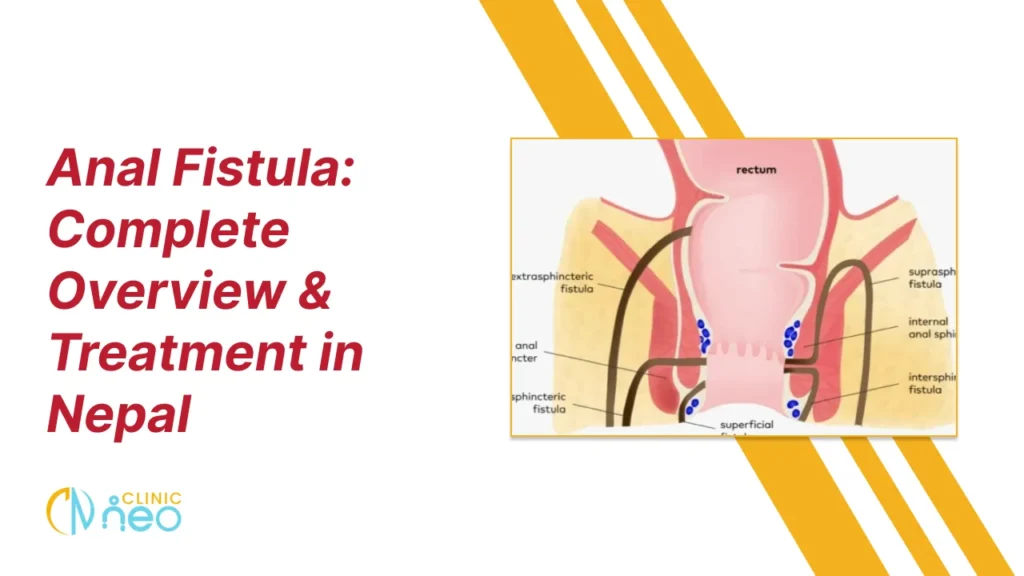
Anal Fistula: Complete Overview & Treatment in Nepal
Are you suffering from painful sensations or continuous discharge in your anal region? If sitting down or passing stool is becoming difficult for you, you could be having an anal