
Proctologist vs Gastroenterologist in Nepal: Which Specialist Should You See?
- 5 min read
-
 Clinic Neo


When you have persistent digestive problems like Anal pain, rectal bleeding, or constant stomach ache, it can leave you unsure which doctor to call. In Nepal, this confusion is common because most people have never heard the word “proctologist” before. While both Gastroenterologist and Proctologist deal with the digestive system, their areas of expertise are different, and some conditions may require care from either specialist.
Understanding the difference between these specialists can help you choose the right starting point for your symptoms. In this guide, we’ll explain what each specialist treats, when you should see one, where their roles overlap, and how to choose the right specialist in Nepal.
Understanding Proctologists and Gastroenterologists
Proctologist is also known as Colorectal surgeon nowadays. The doctor deals with such parts of the lower GI tract as colon, rectum and anus. Treatment of anorectal conditions by the colorectal specialists is provided through lifestyle changes, medications, office treatments, endoscopy, minimally invasive therapy, or surgery if necessary.
Gastroenterologist diagnoses and treats diseases of the entire digestive system. The diseases include disorders of the esophagus, stomach, small intestine, colon, rectum, liver, gallbladder, pancreas and bile duct. Gastroenterologists diagnose and treat diseases with the help of medications, diets and procedures like endoscopy and colonoscopy. Surgery is not usually performed by gastroenterologists.

What Conditions Does a Proctologist Treat?
A proctologist / colorectal surgeon deals with problems that involve the lower gastrointestinal system, including the anus, rectum, and the last part of the colon. If you have problems with the areas mentioned above, then a visit to a proctologist is the next thing for you.
Common conditions that are taken care of by a proctologist include:
- Hemorrhoids (piles): swelling of veins in the anus or rectum, giving rise to painful sensations, itching, and bleeding.
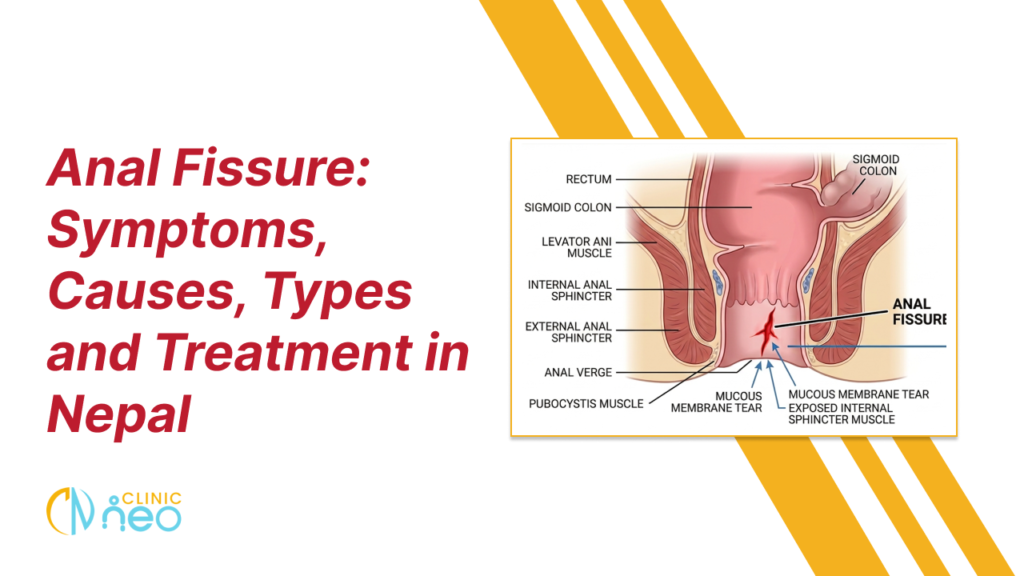
- Anal fissure: it is a condition where there are small tears in the anal canal lining causing severe pain while defecating.
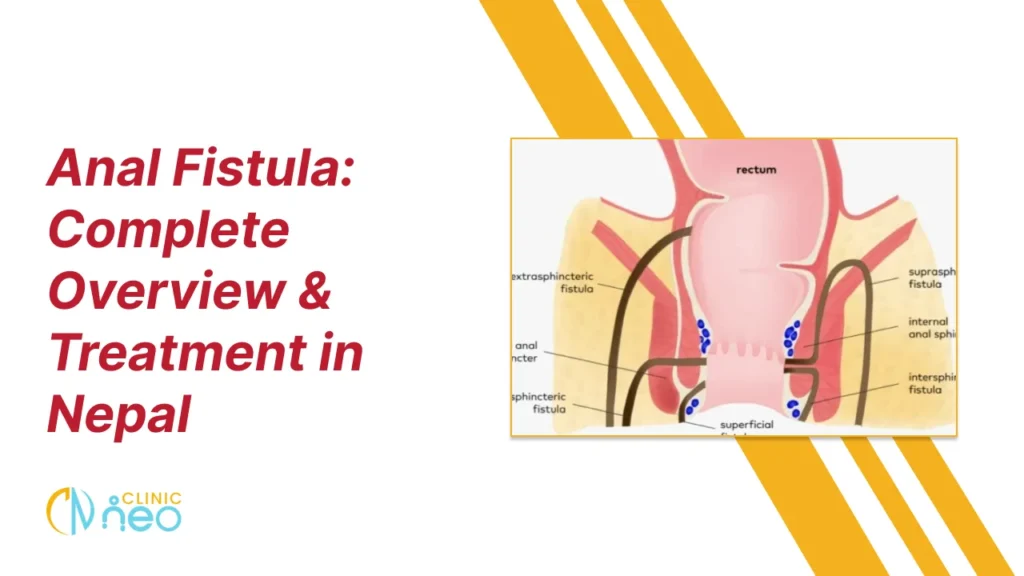
- Anal fistula: it is an unusual tunnel connecting the anal canal with the skin and usually occurs after infections.
- Anal Abscess: infection which may require quick drainage.
- Pilonidal sinus: it is a hole or tunnel close to the tailbone which may get infected.
- Rectal Prolapse: slipping of part of the rectum through the anus.
- Proctitis: inflammation of the rectum.
- Fecal Incontinence: lack of control over bowel movements or gases.
- Colorectal Cancer: cancer of the colon or rectum.
What Conditions Does a Gastroenterologist Treat?
A gastroenterologist will deal with any problem in the digestive tract starting from the food pipe and ending with the large intestine. Should you have any issues with your stomach, liver, or digestion in general, a gastroenterologist is the right choice for you.
Some common gastroenterological conditions that require treatment from this specialist include:
- GERD (gastroesophageal reflux disease): a condition of regular heartburn due to the return of the stomach acid into the esophagus
- Irritable bowel syndrome (IBS): a condition of constant pain in the abdomen, bloating, and poor bowel movements
- Inflammatory bowel diseases (IBD): such conditions as Crohn’s disease or ulcerative colitis
- Peptic ulcers: ulcers of the stomach or upper small intestine
- Liver or gallbladder conditions: such as fatty liver disease or gallstones
- Chronic Constipation or diarrhea: when there is no obvious cause for it
The gastroenterologist usually makes a diagnosis using endoscopy or colonoscopy to find out what medication and changes in lifestyle you need.
Proctologist vs Gastroenterologist: Key Differences
| Aspect | Proctologist | Gastroenterologist |
| Main focus | Anus, rectum, and lower colon | The full digestive system and related organs |
| Common symptoms | Anal pain, piles, fissure, fistula, rectal lump, prolapse | Heartburn, abdominal pain, bloating, diarrhea, liver or digestive symptoms |
| Common conditions | Hemorrhoids, anal fissure, anal fistula, rectal prolapse | GERD, IBS, IBD, ulcers, liver and gallbladder issues |
| Typical care | Medicines, anorectal procedures, endoscopy, and surgery | Medicines, endoscopy, colonoscopy, and long-term digestive care |
| Diagnostic tools used | Digital rectal exam, anoscope, sigmoidoscopy | Endoscopy, colonoscopy, imaging |
| Best first choice | A problem clearly centered around the anus or rectum | A problem involving the upper or wider digestive tract |
When Should You See a Proctologist?
Consult a proctologist if your major symptoms relate to the anus or rectum, especially when they are persisting for more than a week or recur. Proctology consultation may involve patient’s history taking, abdominal or anorectal examination and even digital rectal examination in case if it is indicated by the doctor. The patient may be advised by the physician to undertake anoscopy, sigmoidoscopy, colonoscopy, biopsy, blood test, feces test or even some imaging procedure depending on patient symptoms.
Arrange proctology consultation if you have:
- Recurrent pain in the anus or during the process of defecation.
- Red blood visible on toilet paper, in the bowl or on the stool.
- Painful lump, itchiness, mucus or tissue discharge from the anus.
- Suspected piles, fissure, fistula, abscess or prolapse of the rectum.
- Pus or swelling of the tissues near the anus.
- Constipation leading to repeated straining or does not improve.
- Incontinence of the bowels or persistent sensation of incomplete defecation.
Proctologist will examine the cause of your problem whether it is a simple anorectal condition or there is a need for further examination of the colon. It is highly not recommended to self-diagnose your bleeding as hemorrhoids.
When Should You See a Gastroenterologist?
Visit a gastroenterologist if the symptoms appear to originate from the abdominal, upper digestive system, or if they have to do with your overall digestion process as opposed to just one spot.
Book a gastroenterology consultation for the following:
- Frequent Heartburn or reflux
- Pain or cramps in abdomen
- Bloating that does not go away
- Weight loss along with digestive complaints
- Changes in bowel habits, like constipation alternating with diarrhea
Depending on your particular problem, the gastroenterologist can order various tests, which include endoscopy, colonoscopy, sigmoidoscopy, biopsy, blood test, stool test, ultrasound, CT scan or other. You might be referred to a colorectal surgeon if any disease requires surgery or specific anorectal treatment is required.
What If Your Symptoms Overlap?
Many patients do not fit into one category. For example, rectal bleeding with abdominal pain and changed bowel habits may need a gastroenterologist, a colorectal surgeon, or both. A fistula with diarrhea may need colorectal treatment and digestive evaluation. Inflammatory bowel disease can affect the whole digestive tract but may also cause anal complications.
Use this simple guide:
- Anal or rectal symptom only: Start with a proctologist or colorectal surgeon.
- Upper digestive or abdominal symptom: Start with a gastroenterologist.
- Bleeding plus weight loss, anemia, pain, or bowel-habit change: Arrange prompt medical evaluation. The general doctor will decide which specialist and tests are needed.
- Severe or ongoing bleeding: Seek emergency care rather than waiting for a routine appointment.
Go to an emergency department for non-stop or heavy bleeding, large clots, black or dark-red stool, bloody diarrhea, vomiting blood, severe abdominal pain, fainting, confusion, pale or cold clammy skin, rapid breathing, or marked dizziness. These can indicate significant bleeding or another serious condition.
How to Choose the Right Specialist in Nepal
Selecting an appropriate specialist is more than picking up someone with MD after their names. There are three key factors you need to consider, and that is what your symptoms suggest, expertise of the physician and whether the clinic has capabilities of diagnosing and treating all under one roof.
The following features should be there in the chosen specialist:
- Has credentials in the fields of colorectal surgery or gastroenterology
- Centre should provide same day diagnostic and treatment facility
- Listen to your problem, explain it and provide treatment accordingly
- Should have some track record and genuine patient reviews
Before visiting the specialist, be ready with:
- Timeline regarding your symptoms, including their evolution with time
- Nature and quantity of bleeding, if any
- Number of bowel movements per day, along with any variation recently
- Medicines you are taking, especially blood thinners
- Test results or history of previous operation, if any
- History of bowel related disease or colorectal cancer in your family
It is important not to take antibiotics or steroids or strong laxatives on your own without consultation. Never think that bleeding is always due to piles. Get it examined because early diagnosis is the key to treatment of serious diseases.
Not Sure Which Specialist to See?
At the end of the day, choosing between the proctologist and gastroenterologist depends on where your symptoms sit. Anal or rectal symptoms may require a proctology evaluation, while symptoms involving the wider digestive system may be better assessed by a gastroenterologist, and if the symptoms overlap then a specialist can evaluate your condition and recommend the appropriate tests or further care. If you are still unsure, a quick evaluation is always the safer first step.
This is exactly where Clinic Neo makes things easier. We provide both proctology and gastroenterology consultations and instead of guessing which specialist to book, you can walk in for a same day OPD consultation, and our doctors will assess your symptoms and guide you to the right care from the start.
Frequently Asked Questions (FAQs)
Which doctor should I see for anal pain?
See a proctologist or colorectal surgeon for persistent anal pain, pain during bowel movements, a lump, swelling, pus, or suspected fissure, fistula, abscess, or piles. Severe pain with fever or swelling needs prompt assessment.
Which doctor treats piles?
A proctologist or colorectal surgeon commonly evaluates and treats piles. A gastroenterologist may also assess rectal bleeding or perform a colonoscopy when another bowel cause must be ruled out. Treatment depends on the type and severity of hemorrhoids.
What is another name for a proctologist?
The modern term proctologist is usually a colorectal surgeon. The specialty focuses on the colon, rectum, and anus and includes non-surgical and surgical care.
What doctor performs a colonoscopy?
A gastroenterologist, colorectal surgeon, or another appropriately trained doctor may perform a colonoscopy. Availability depends on the facility and the clinician’s training.
Can I need to see both a proctologist and a gastroenterologist?
Yes. You may need both specialists when symptoms involve the anus and the wider digestive system, or when testing finds a condition that needs coordinated medical and surgical care.
READY TO TAKE THE NEXT STEP?
We're Here to Help
You Feel Better.
Whether you have a question, need more information, or are ready to book your consultation – our team is just a call or message away.
Working Hours
Sunday - Friday (7:00 AM - 7:00 PM)
Saturday (7:00 AM - 10:00 AM)
Call Us
9805678379, 01-5907370
Email Us
clinicneonepal@gmail.com
Visit Us
Lokanthali, Bhaktapur, Nepal
Our Recent Blogs

5 min read
Proctologist vs Gastroenterologist in Nepal: Which Specialist Should You See?
When you have persistent digestive problems like Anal pain, rectal bleeding, or constant stomach ache, it can leave you unsure which doctor to call. In Nepal, this confusion is common

5 min read
Constipation Treatment in Nepal: Causes, Symptoms, Diagnosis and Treatment Options
Constipation can make everyday life uncomfortable, from feeling heavy and bloated to spending too much time in the bathroom. It can affect people of all ages and may be linked
5 min read
Anal Fistula: Complete Overview & Treatment in Nepal
Are you suffering from painful sensations or continuous discharge in your anal region? If sitting down or passing stool is becoming difficult for you, you could be having an anal
5 min read
Anal Fissure: Symptoms, Causes, Types and Treatment in Nepal
Experiencing sharp pain during bowel movements or noticing blood after passing stool can be worrying. These symptoms are often ignored or mistaken for piles (hemorrhoids), causing many people to delay

5 min read
Things to Dos and Don’ts During Piles
5 min read