Common Myths About Piles: What Doctors Really Say
- 5 min read
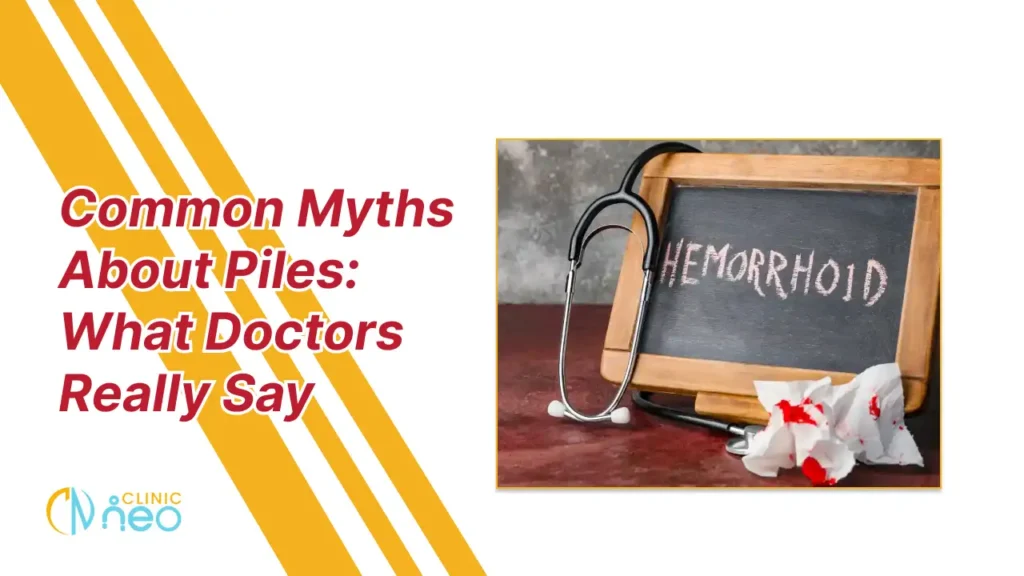
Piles are one of the most common yet misunderstood health problems in Nepal. Many people feel shy to talk about it, rely on home remedies, or believe in random advice from friends and family. Because of this, several myths about piles continue to spread, delaying proper care and increasing complications.
In Nepal, where traditional remedies and modern medicine often cross paths, these myths can lead to delayed treatment and unnecessary suffering.
Doctors say that understanding the truth about piles is the first step toward effective treatment. In this blog, we’ll break down the most common myths about piles and explain what medical experts really say.
Myth 1: Only Elderly Individuals Suffer from Piles
One of the most persistent myths is that piles are a “grandparent’s disease.” While it is true that tissues supporting the veins in the rectum can weaken with age, the reality tells a different story. But nowadays, we are seeing a significant rise in younger patients, particularly those in their 20s and 30s, seeking treatment for piles issues.
What Doctors Say:
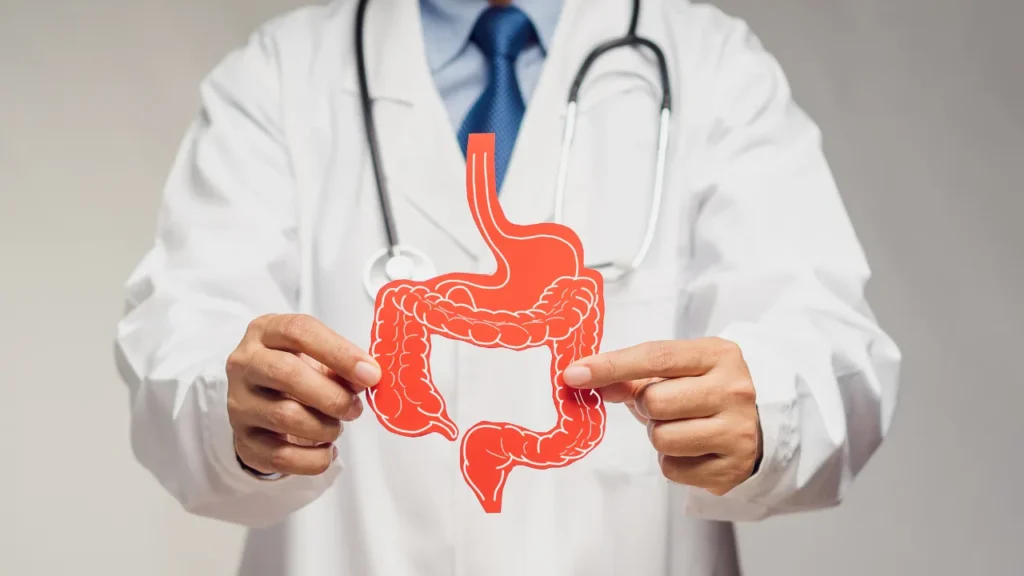
Piles can affect people of all ages. While the risk increases with age due to weakening tissues, young adults are also commonly diagnosed with piles. Poor dietary habits, low fiber diets, junk food consumption, lack of exercise, and long sitting hours are major reasons why many young people in Nepal are developing piles today.
The shift in demographics is largely due to our changing lifestyles.
Myth 2: Piles Always Require Surgery
Many patients fear piles treatment because they think surgery is the only option. Before, the mention of “piles treatment” meant a painful, invasive surgery with a long recovery period. Many people still believe that traditional surgery is the only option for piles treatment. This fear is outdated. In fact, the majority of piles cases can be managed without traditional “open” surgery.
What Doctors Say:
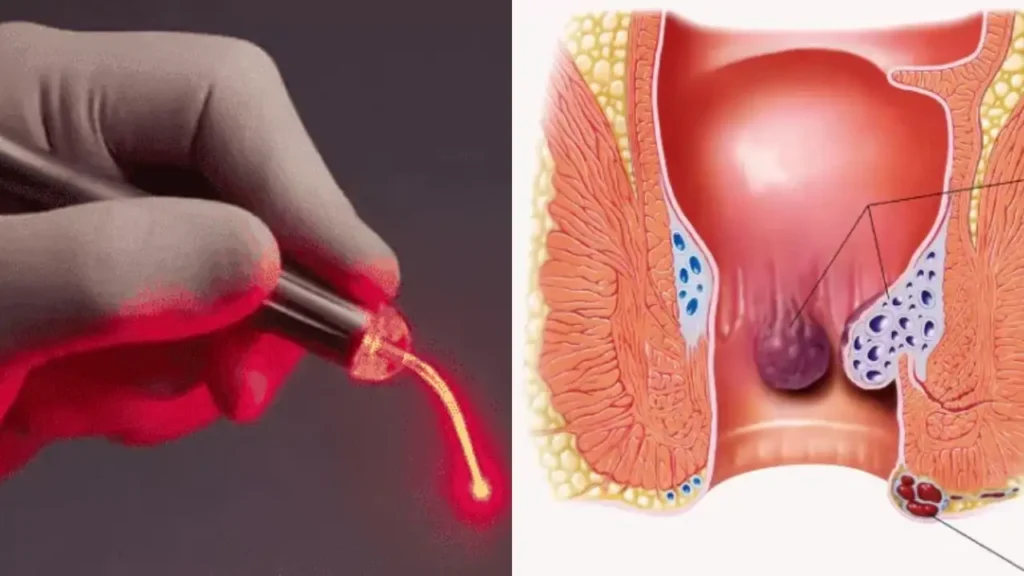
There are also minimally invasive procedures available today. Piles laser treatment and other modern advanced techniques are less painful and allow faster recovery compared to traditional surgery.
Not all piles require surgery. In early stages, piles can often be managed with lifestyle changes, medications, and dietary improvements. Increasing fiber diets, drinking enough water, and avoiding strain during bowel movements can significantly reduce symptoms.
Myth 3: Rectal Bleeding Always Means Piles
Many people believe that if they notice blood during or after passing stool, it must be piles (hemorrhoids). This wrong assumption can lead to delays in seeking proper medical care and worsen the condition.
What Doctors Say:
While piles can cause rectal bleeding, especially during bowel movements, not all bleeding is due to piles. Other serious conditions like anal fissures, fistula, infections, polyps, or even colorectal cancer can also cause bleeding. If you notice blood in your stool, do not ignore it. Seek medical attention for proper diagnosis.
Myth 4: Piles Are Only Caused by Constipation
Many people believe that constipation is the one and only cause of piles (hemorrhoids). Straining during bowel movements is a major factor for piles. However, this is only a fraction of the picture.
What Doctors Say:
Chronic constipation and excessive straining are indeed major contributing factors, piles can develop due to several other reasons as well. Other causes include:
- Prolonged sitting
- Pregnancy (especially in pregnant women)
- Obesity
- Heavy lifting
- Family history
- Increased pressure in the abdominal area
Recognizing that piles have various contributing factors can also reduce stigma and encourage individuals to seek proper medical advice rather than self-diagnosing based on constipation alone.
Myth 5: Physical Exercise Always Makes Piles Worse
There is a common misconception that if you have piles, you should stop moving or shouldn’t perform physical exercises and rest as much as possible.

What Doctors Say:
The key is “smart movement.” It is true that certain types of straining can worsen the condition but total inactivity is actually worse. Movement stimulates the natural contraction of your intestines that prevents constipation.
You need to choose activities that promote circulation and digestion without putting excessive downward pressure on your pelvic floor. Exercise is actually one of the best ways to prevent the recurrence of piles in the long term.
When to Consult a Specialist at Clinic Neo
Modern piles treatment in Nepal has become safer, less painful, and more advanced compared to the past. However, many people still delay visiting a specialist due to embarrassment or fear. Ignoring symptoms can lead to worsening pain, heavy bleeding, infection, or complications that require more intensive treatment.
You should consult a piles specialist if you experience:
- Persistent rectal bleeding
- Severe pain during bowel movements
- Swelling or a lump around the anus
- Itching, irritation, or discomfort that does not improve
- Recurrent constipation with straining
- Symptoms that continue despite home remedies
At Clinic Neo, our expert doctors assess the grade and severity of piles before recommending treatment. In early stages, lifestyle modification, dietary advice, medications, and non-surgical procedures may be sufficient.
For more advanced cases, we offer modern piles laser treatment, a highly effective alternative to traditional surgery. Laser treatment for piles is one of the most advanced procedures available today. Unlike conventional open surgery, laser technology precisely targets the affected tissue while minimizing damage to surrounding areas.
Conclusion
There are many myths about piles that cause fear and delay treatment. The truth is that piles are common, treatable, and manageable when diagnosed early. They can affect people of all ages, including young adults and pregnant women.
Instead of relying on rumors or home remedies, it is always better to consult a qualified doctor. Understanding the real piles causes, symptoms, and treatment options can help you recover faster and prevent complications.
Frequently Asked Questions (FAQs)
1. What is the main reason for piles?
The main reason for piles is increased pressure in the lower rectum, most commonly caused by constipation or straining during bowel movements. Other factors also cause piles including prolonged sitting, pregnancy, obesity, and a low-fiber diet.
2. Is having piles shameful?
No, having piles is not shameful. It is a very common medical condition that affects many people, and it should be treated as a normal health issue rather than something to feel embarrassed about.
3. What foods should I avoid with piles?
If you have piles, you should avoid low-fiber foods, highly processed foods, very spicy dishes, and excessive caffeine or alcohol. These can worsen constipation and irritation, making symptoms more uncomfortable.
4. Is piles a lifetime disease?
Piles are not necessarily a lifetime disease. Many cases improve with proper diet, lifestyle changes, medications, and, in some cases, minor medical procedures if required.
Our Recent Blogs
Common Myths About Piles: What Doctors Really Say
Things to Dos and Don’ts During Piles
Endoscopy vs. Colonoscopy? Understanding the Key Differences
Pilonidal Sinus: Causes, Symptoms, and Treatment Options
Effective Nepalese Home Remedies to Relieve Constipation
Have you ever felt that heavy, bloated sensation in your...