
Things to Dos and Don’ts During Piles
- 5 min read
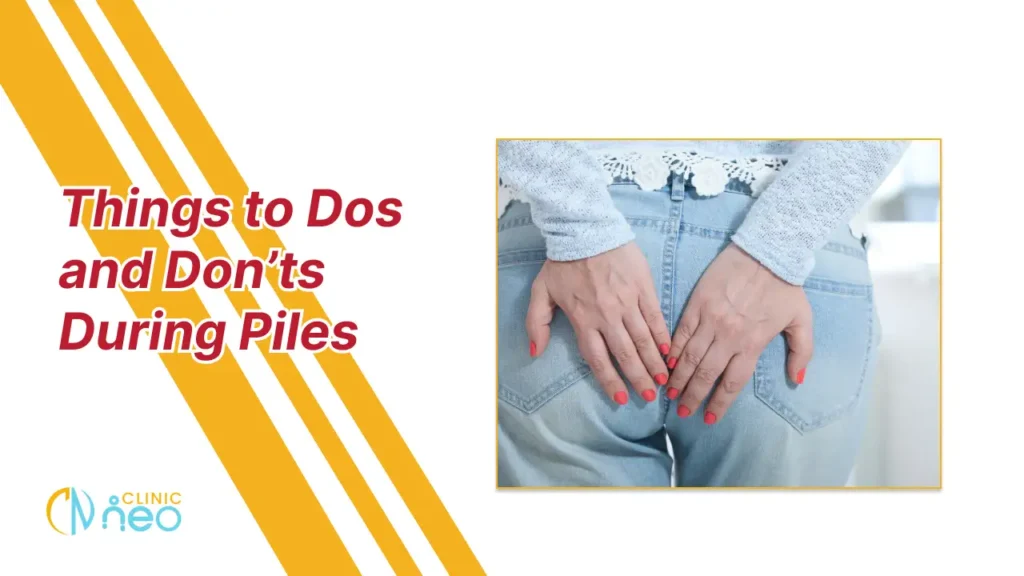
Many people in Nepal experience piles due to lifestyle habits, long sitting hours, constipation, or poor diet. While piles are common, the wrong habits can worsen piles and increase discomfort, meanwhile certain good habits can support faster healing and prevent the condition from recurrence.
Understanding what to do and what not to do when you have piles can help reduce pain, and prevent piles from coming back. In this guide, we will explain what to do and what to avoid during piles so you can take better care of yourself.
What to Do During Piles
Piles, also known as hemorrhoids, are swollen veins in the rectal area or anal area that cause pain, itching, swelling, and sometimes bleeding during bowel movements.
If you are suffering from piles, the goal is to reduce pressure in the rectal area, improve digestion, and protect the anal area from irritation.
1. Eat a High Fiber Diet
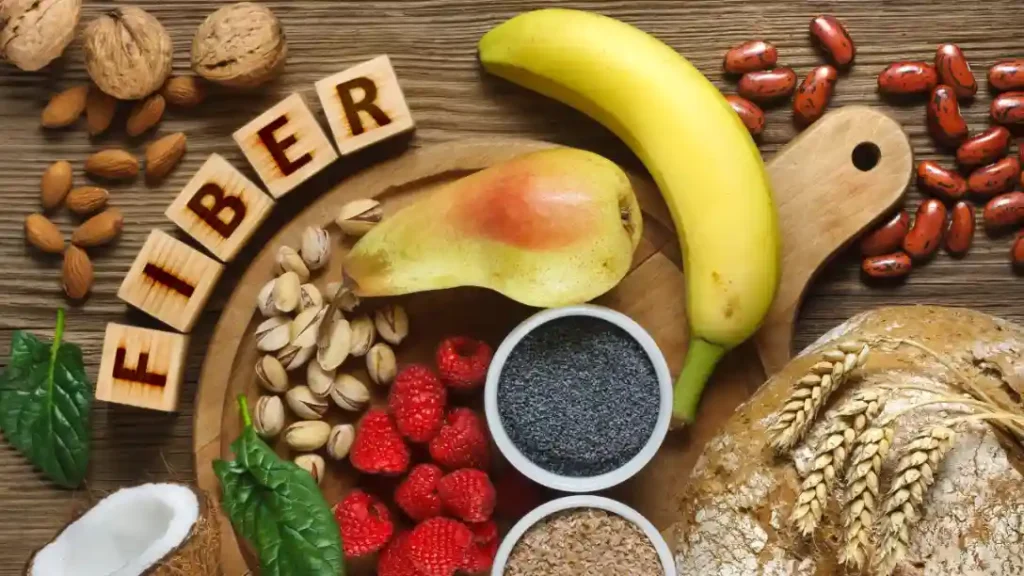
One of the most important things you can do to cure piles is by eating high fiber foods. Fiber foods make stools soft and easier to pass, which reduces straining during bowel movements. A high fiber diet helps regulate bowel movements and prevents constipation, which is one of the biggest risk factors for piles.
You can include these foods in your diet:
- Green leafy vegetables (saag, spinach)
- Whole grains instead of white breads
- Fruits like papaya, banana, apple
- Lentils and beans
2. Drink Plenty of Water
Drinking water is just as important as eating fiber. Without enough fluids, fiber can actually lead to further constipation. Fiber cannot soften stools properly if you don’t drink enough water.
If you are dehydrated, your body will pull water from your colon, making your stool hard and painful to pass. Try to drink at least 2–3 liters of water daily. Proper hydration reduces pressure on internal hemorrhoids and external hemorrhoids.
3. Go to the Toilet When You Feel the Urge
Most people do not realize that their bathroom habits contribute heavily to piles development. Do not delay your bowel movements. Holding stool makes it harder and more difficult to pass later. This increases straining during bowel movements which can worsen piles.
At the same time, avoid sitting in the toilet for long periods while scrolling on your phone. The position and the time you spend on the toilet can increase the pressure on your anal veins. Changing these simple daily routines can lead to a great reduction in pain and swelling.
4. Maintain Gentle Hygiene
After bowel movements, clean the anal area gently. Avoid harshly wiping your bottom with dry toilet paper, it can lead to micro-tears in the skin. Rough cleaning can irritate external hemorrhoids and cause more pain. Instead:
- Use soft, moist tissue
- Wash gently with lukewarm water
- Pat dry carefully
5. Do Light Physical Activity
Regular walking improves digestion and reduces constipation. Gentle activities such as yoga, stretching, and light swimming can also help improve blood circulation and reduce strain without putting excess pressure on the rectal veins. Sitting for long periods, especially in office jobs, increases pressure in the lower rectal area. If you work at a desk, stand or walk every 45–60 minutes.
Staying active is vital for keeping your bowels moving, but not all exercises are recommended when you have piles. Avoid heavy weightlifting, intense cycling, horseback riding, or any activity that involves prolonged sitting or straining, as these can worsen symptoms.
6. Use Prescribed Medication Properly
Over-the-counter creams may provide temporary relief, but they are not a proper cure. Proper piles treatment depends on the severity of piles. Mild internal hemorrhoids may improve with medicines and lifestyle changes. However, advanced cases may need professional medical consultation.
If your symptoms don’t improve within 7 days of using home remedies, it is time to book a consultation with expert doctors.
What to Avoid During Piles
Knowing what to avoid in piles is equally important. Certain habits can increase swelling, pain, and bleeding.
1. Avoid Spicy Foods and Rich Foods
While focusing on what to eat, you must also be mindful of what foods to avoid during piles. Spicy foods can irritate the digestive system and worsen burning sensation in the anal area. Rich foods, oily items, and heavy fried meals can cause constipation.
Try to Limit:
- Excessively spicy foods.
- Caffeinated drinks like strong coffee or tea.
- Alcohol
- Deep fried snacks

2. Avoid White Breads and Low-Fiber Diet
Refined flour products such as white bread, white rice (in excess), noodles made from maida, and processed bakery items contain very little fiber. Fiber is essential for softening stools and promoting regular bowel movements. Try to replace them with whole grain alternatives if possible.
A low-fiber diet not only worsens existing piles but also increases the risk of recurrence after treatment.
3. Avoid Straining During Bowel Movements
Straining is one of the most harmful habits during piles. When you strain, you increase pressure in the lower rectum. This pressure forces blood into already swollen veins, causing more inflammation and pain. This can worsen piles and increase bleeding.
If stool does not pass easily, do not force it. It’s a sign to improve diet instead. Straining does not solve constipation, it only damages the anal tissues further.
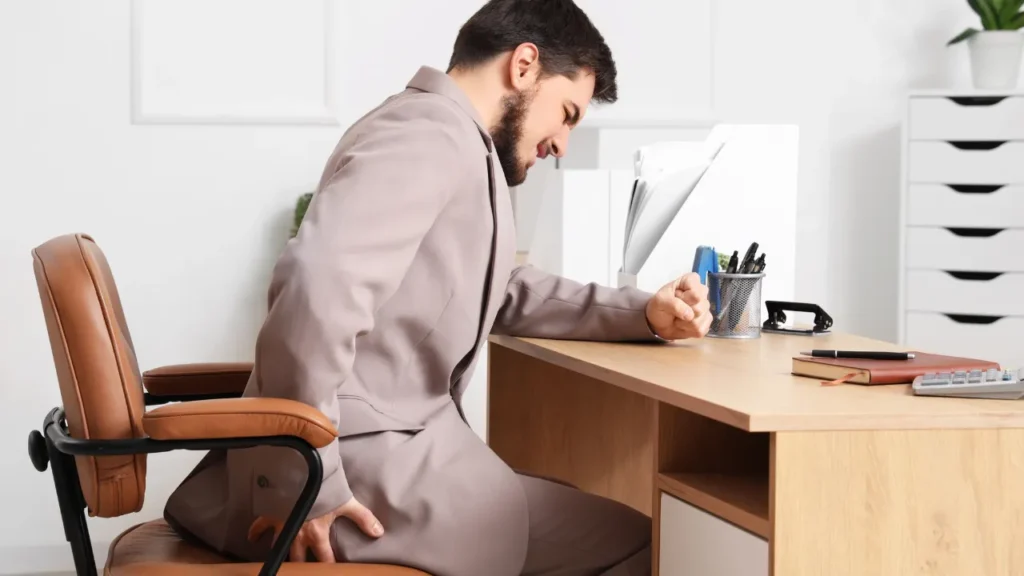
4. Avoid Sitting for Long Periods
If your job requires you to sit for long hours, make it a point to stand up and walk around every hour. This simple habit prevents blood from pooling in the lower body and relieves the constant pressure on your hemorrhoids.
Long sitting hours, especially on hard surfaces, put constant pressure on the rectal area. This is a major risk factor for both internal hemorrhoids and external hemorrhoids.
5. Avoid Ignoring Symptoms
Many people in Nepal delay treatment due to embarrassment. Early piles treatment is usually simpler and may only require lifestyle changes or minor procedures. Delaying care may lead to advanced stages that require more complex treatment procedures.
Do not ignore these symptoms:
- Persistent rectal bleeding
- Severe pain
- Mucus discharge
- Prolapse that does not go back inside
- Increasing swelling
Advanced Piles Treatment in Nepal At Clinic Neo
Self-care is excellent for early stage piles, but there comes a point where lifestyle changes aren’t enough. Some patients may require advanced professional care.
Many patients in Nepal wait too long out of fear of traditional surgery. However, modern medical technology has transformed how we treat piles.
At Clinic Neo, we provide modern and safe laser piles treatment using minimally invasive techniques. Our experienced GI surgeons carefully evaluate whether the condition involves internal hemorrhoids, external hemorrhoids, or both. Choosing advanced piles laser treatment at Clinic Neo means you can often return to work within a day or two, avoiding the long, painful recovery times associated with old-fashioned surgical methods.
Our focus is on patient comfort, minimal pain, faster recovery, and long-term results. With advanced technology and a patient-first approach, we ensure that you receive safe and effective treatment without unnecessary fear.
Conclusion
Piles are common but manageable. The right habits can reduce discomfort and prevent piles from worsening whereas ignoring symptoms or delaying treatment can lead to increased complications.
Eating high fiber foods, staying hydrated, avoiding processed foods, reducing straining during bowel movements, and maintaining proper hygiene can make a significant difference. At the same time, bad bathroom habits, long periods of sitting, rough wiping with toilet paper, eating constipation-causing foods, and ignoring symptoms can lead to worsening piles.
If your condition does not improve with home care, do not hesitate to seek expert piles treatment. With modern options available at Clinic Neo, safe and effective relief is possible.
Frequently Asked Questions (FAQs)
1. How can I reduce piles fast?
You can reduce piles fast by softening your stool and reducing pressure on the rectal veins. Increase fiber intake, drink 2–3 liters of water daily, avoid straining during bowel movements, and take warm sitz baths to ease swelling and pain. Mild cases improve within a few days, but continuous symptoms require medical consultation.
2. What not to do during piles?
Some of the major things to avoid during piles are straining during bowel movements, sitting on the toilet for long periods, and consuming spicy, fried, or low-fiber foods. You mustn’t ignore the symptoms as it can worsen piles even more.
3. How to clear piles quickly?
Mild piles may improve quickly with a high-fiber diet, proper hydration, gentle hygiene, and light physical activity like walking. Over-the-counter creams may ease discomfort temporarily. However, for faster and long-term relief, especially in advanced cases, medical consultation and modern treatments like laser procedures may be required.
4. Is walking ok for piles?
Yes, walking is beneficial for piles. It improves digestion, reduces constipation, and enhances blood circulation, which lowers pressure in the rectal area. Light activities such as walking and gentle yoga are recommended.
5. What is the best position to sleep with piles?
Sleeping on your side is generally the best position for piles, as it reduces pressure on the rectal area. You may place a pillow between your knees for comfort. Avoid sleeping flat on your back for long periods if it increases discomfort or pressure around the anal region.
Our Recent Blogs

Proctologist vs Gastroenterologist in Nepal: Which Specialist Should You See?
When you have persistent digestive problems like Anal pain, rectal...
Constipation Treatment in Nepal: Causes, Symptoms, Diagnosis and Treatment Options
Constipation can make everyday life uncomfortable, from feeling heavy and...
Anal Fistula: Complete Overview & Treatment in Nepal
Are you suffering from painful sensations or continuous discharge in...
Anal Fissure: Symptoms, Causes, Types and Treatment in Nepal
Experiencing sharp pain during bowel movements or noticing blood after...
Common Myths About Piles: What Doctors Really Say