
Endoscopy vs. Colonoscopy? Understanding the Key Differences
- 5 min read
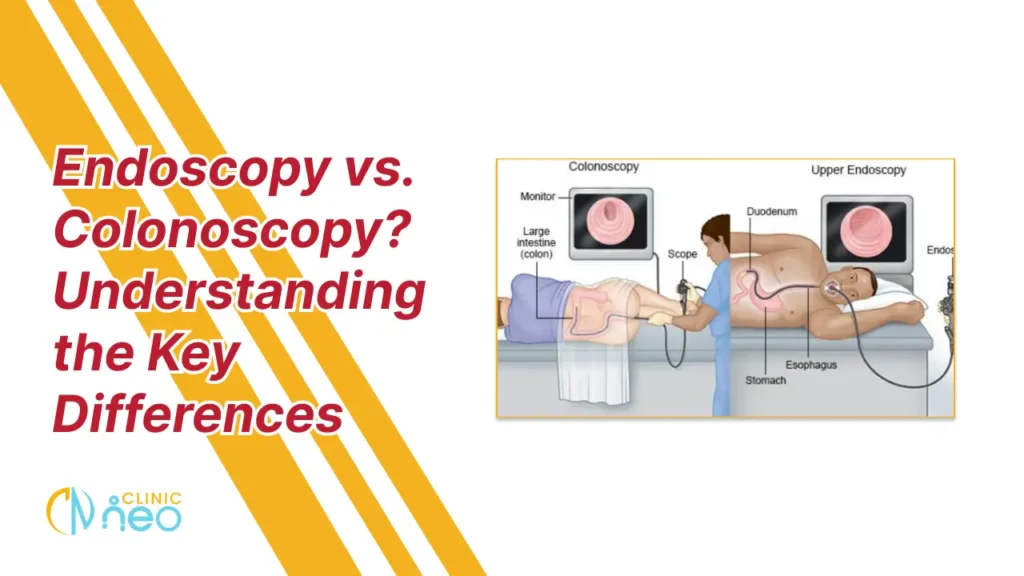
Digestive health problems are becoming very common in Nepal. Many people experience digestive uncertainties like stomach pain, acidity, or bowel problems every day.
When a doctor suggests an endoscopy or colonoscopy, it can be confusing and worrying. People often wonder which test they need or whether the procedure is truly necessary. While they might sound similar, they serve very different purposes in protecting your gastrointestinal health.
Understanding the difference between these procedures can ease that stress. These procedures are the standard for diagnosing everything from simple acid reflux to serious conditions like colorectal cancer.
What is Endoscopy?
Endoscopy is a medical procedure that allows your surgeon to examine the lining of your esophagus, stomach, and the first part of your small intestine. Endoscopy is also referred to as upper gastrointestinal (GI) endoscopy or EDG. It mainly focuses on the “top” half of your digestive system.
In Endoscopy, the doctor uses a flexible tube with a camera and light, which is called an endoscope. This helps the doctor see the inside of the esophagus stomach and the upper part of the small intestine. If you have been struggling with persistent heartburn or difficulty swallowing, this is typically the first diagnostic step.

How an Endoscopy Is Performed
An endoscopy test is simple and usually takes a short time. Here is how the procedure is done step by step:
- Patients are asked to fast for several hours before the test. This helps the doctor see the stomach clearly.
- Doctors may give mild sedation to help patients relax and stay comfortable.
- The doctor gently inserts a flexible tube called an endoscope through the mouth.
- The camera on the tube sends live images to a screen, allowing the doctor to examine the esophagus, stomach, and upper part of the small intestine.
- If needed, the doctor can remove small pieces of tissue for testing. This helps detect disease early.
- The procedure usually takes 10–20 minutes, and most patients can go home on the same day.
- Some patients may feel mild discomfort or sore throat afterward, but it usually passes quickly.
Common Conditions Diagnosed With Endoscopy
Many patients in Nepal suffer from diet-related issues that require advanced gastrointestinal care. Endoscopy helps treat problems and detect disease early. Some common conditions include:
- Difficulty swallowing due to esophagus problems
- Chest pain caused by acid reflux or ulcers
- Sore throat related to esophagus irritation
- Stomach pain or unexplained nausea
- Ulcers, gastritis, or infection
- Problems in the bile duct
Endoscopy also allows doctors to detect early signs of serious diseases. For example, it can detect abnormal tissue growth or small ulcers that could become bigger if not treated.
What is a Colonoscopy?
While an endoscopy looks at the upper tract, a colonoscopy is designed to examine the lower gastrointestinal tract. This includes the entire length of the colon (large intestine) and the rectum. It is widely considered the most effective tool for preventing colon cancer because it allows for the removal of polyps before they become dangerous.
Many people feel nervous about a colonoscopy, but it is a routine procedure that saves lives every day. Doctors often use it for colorectal cancer screening and to detect other bowel diseases.
If you are over the age of 45 or have a family history of colon issues, scheduling this screening is one of the most important things you can do for your long-term health.
How a Colonoscopy Is Performed
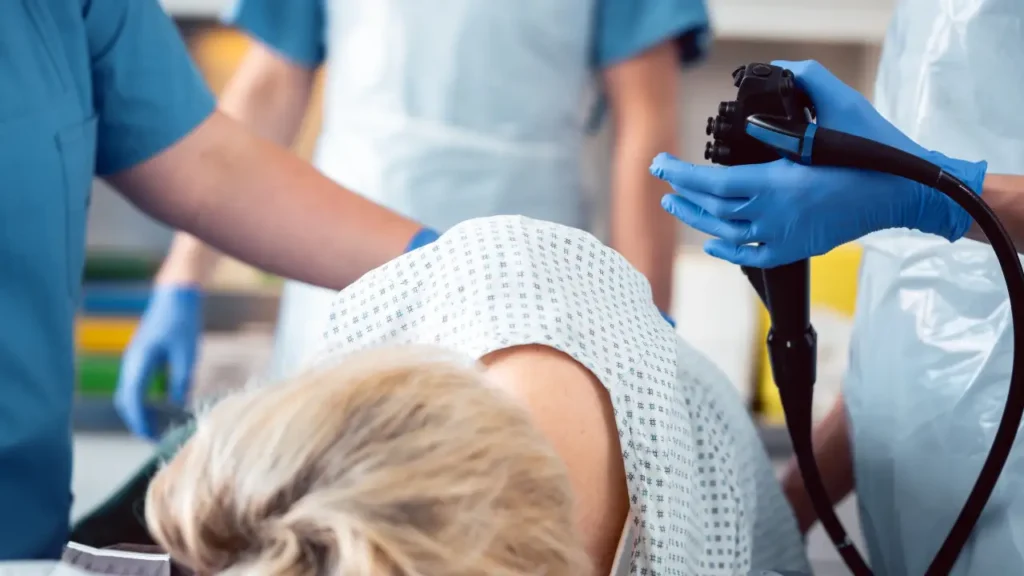
A colonoscopy examines the large intestine and helps detect polyps or early signs of cancer. Here is what happens during the procedure:
- Patients must clean the bowel before the test. This is essential for clear visibility of the colon.
- Doctors give sedation to ensure the patient is relaxed and comfortable.
- A flexible tube with a camera is inserted through the lower opening to examine the large intestine and rectum.
- The camera sends images to a screen, allowing the doctor to carefully check for polyps, inflammation, or bleeding.
- If colon polyps are found, they can be removed immediately during the procedure.
- The test usually takes 30–60 minutes, and most patients can return home the same day.
- Mild bloating or gas may occur after the test but disappears within a few hours.
Common Conditions Diagnosed With Colonoscopy
Colonoscopy is very important for detecting serious colon and rectal problems at an early stage. Common problems diagnosed include:
- Colon polyps that could become cancerous
- Colon cancer in early stages
- Inflammatory bowel disease such as Crohn’s disease or ulcerative colitis
- Long term constipation or diarrhea
- Blood in stool or unexplained abdominal pain
One of the major features of a colonoscopy is that it is both diagnostic and therapeutic. By removing polyps early, colonoscopy helps prevent colon cancer, which makes it a life-saving test for many patients.
Endoscopy or Colonoscopy: Which Procedure Do You Need?
Your doctor will decide the procedure based on your specific symptoms. So, the choice between Endoscopy or Colonoscopy depends on your symptoms.
- If symptoms affect the upper digestive system, like chest pain, difficulty swallowing, or upper stomach discomfort, doctors recommend endoscopy.
- If you have lower abdominal pain, rectal bleeding, or are due for a routine cancer checkup and other symptoms that affect the lower digestive system, like blood in stool, constipation, diarrhea, or colon polyps in family history, doctors recommend colonoscopy.
Sometimes doctors suggest doing both tests to get a complete view of the gastrointestinal tract. This is helpful for patients with multiple digestive complaints.
Why Early Screening Is Important for Digestive and Proctological Health
Waiting until pain is unbearable is a common mistake. In the world of proctology and gastroenterology, early detection is everything. Many digestive diseases grow silently and do not show symptoms early. This is why early screening matters.
A simple 20-minute screening could be the difference between a minor laser treatment and a major surgical intervention. Both endoscopy and colonoscopy help detect problems before they worsen. They reduce risks, allow timely treatment, and improve outcomes.
For adults over 40 years, colorectal cancer screening is highly recommended. Regular screening helps detect disease early and can save lives.
Proctological health covers everything from the rectum to the anus, including conditions like fistula, fissures, and piles. Because these areas are highly sensitive, many people delay treatment out of fear or embarrassment. At Clinic Neo, we remove those barriers by offering modern, discreet, and expert-led care.
Conclusion
Whether you need an endoscopy to check your stomach or a colonoscopy to protect your colon, the most important thing is that you don’t wait. Both procedures are safe, quick, and incredibly effective at identifying health issues before they become emergencies.
At Clinic Neo, we are dedicated to providing world-class gastrointestinal care. Our combination of expert doctors, advanced technology, and a patient-first approach ensures that your experience is as comfortable and effective as possible.
If you have persistent digestive symptoms, it is best to consult a trusted clinic like Clinic Neo. Early testing leads to better treatment and long-term health.
Frequently Asked Questions (FAQs)
1. How do I prepare for an endoscopy?
Preparing for an endoscopy is simple. You will usually be asked to fast for 6–8 hours before the procedure to keep your stomach clear. Your doctor may also advise you to pause certain medications temporarily.
2. How do I prepare for a colonoscopy?
Colonoscopy preparation requires a few more steps than endoscopy. You need to clean your bowel completely using a special solution or laxatives. Fasting for several hours before the procedure is also necessary. Proper preparation helps the doctor see clearly inside the large intestine and detect colon polyps or other abnormalities effectively.
3. What are the risks of endoscopy?
Endoscopy is generally safe, but there are a few minor risks. Some patients may experience a sore throat or mild stomach discomfort after the procedure. Rarely, bleeding can occur if tissue is removed, and very rarely, there may be a tear or perforation in the esophagus, stomach, or duodenum. Serious complications are very uncommon.
4. What are the risks of colonoscopy?
Colonoscopy is a safe procedure, especially when done at a clinic with experienced doctors. Mild bloating or gas and slight abdominal discomfort may occur after the test. Rarely, bleeding can happen if a polyp is removed. Very rarely, there may be a tear in the colon wall. Overall, complications are rare, and most patients recover quickly.
5. Can I Have an Endoscopy and a Colonoscopy at the Same Time?
Yes, it is common and often more convenient for patients to have both procedures performed during a single session under sedation. This combined approach allows doctors to evaluate the entire gastrointestinal tract comprehensively while minimizing the number of visits and reducing the overall recovery time.
6. When to Schedule an Endoscopy vs Colonoscopy?
An endoscopy is recommended when symptoms affect the upper digestive system, such as chest pain, difficulty swallowing, sore throat, or upper stomach discomfort. A colonoscopy is suggested when symptoms affect the lower digestive system, including blood in stool, long-term constipation or diarrhea, or for colorectal cancer screening.
7. What are the common side effects I might experience after the tests?
Minor side effects are common and temporary, such as a mild sore throat after an endoscopy or a feeling of gas and bloating after a colonoscopy. Our medical team at Clinic Neo provides detailed post-procedure care instructions to manage these symptoms, which usually resolve within 24 hours.
Our Recent Blogs
Proctologist vs Gastroenterologist in Nepal: Which Specialist Should You See?
When you have persistent digestive problems like Anal pain, rectal...
Constipation Treatment in Nepal: Causes, Symptoms, Diagnosis and Treatment Options
Constipation can make everyday life uncomfortable, from feeling heavy and...
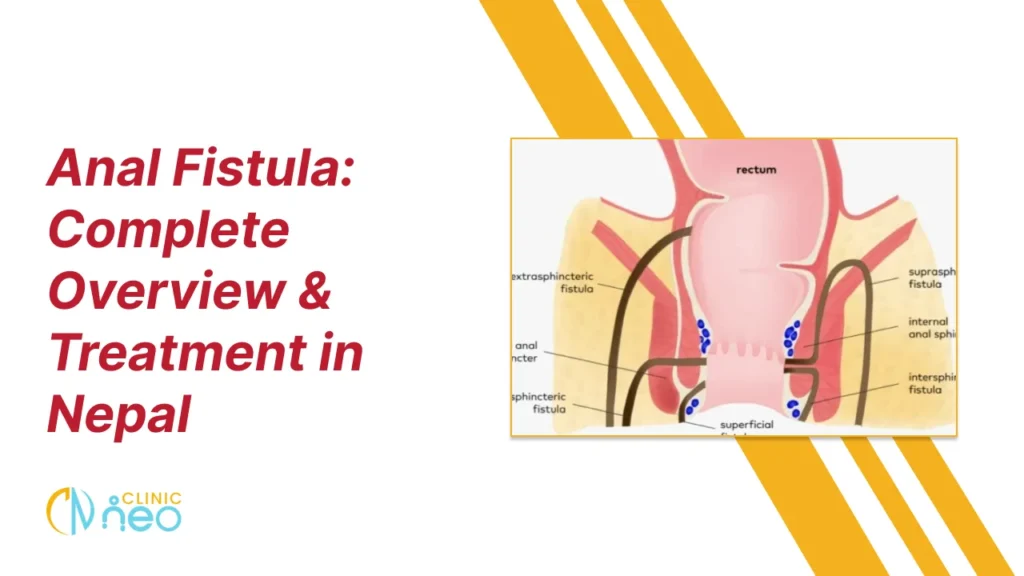
Anal Fistula: Complete Overview & Treatment in Nepal
Are you suffering from painful sensations or continuous discharge in...
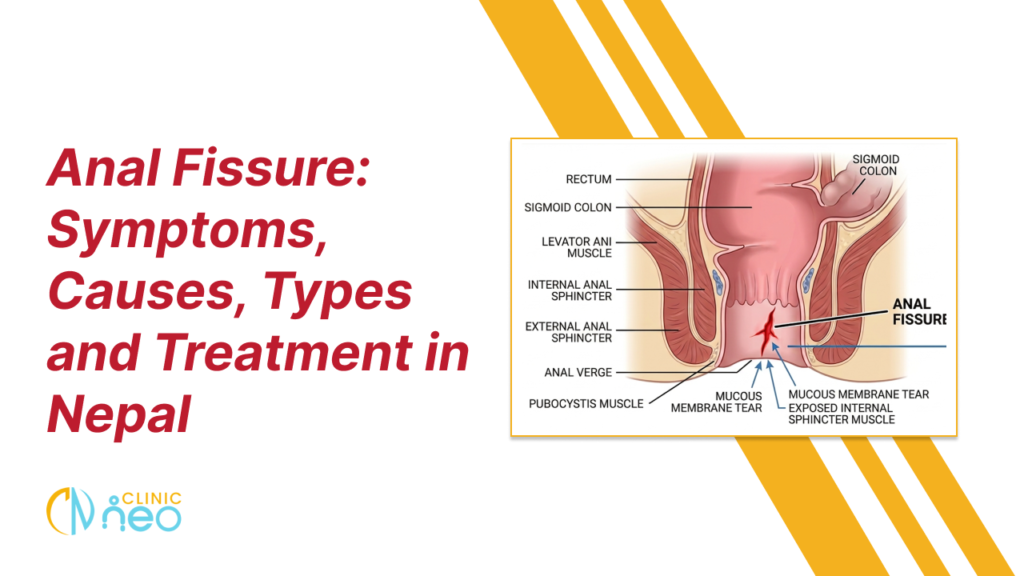
Anal Fissure: Symptoms, Causes, Types and Treatment in Nepal
Experiencing sharp pain during bowel movements or noticing blood after...

Common Myths About Piles: What Doctors Really Say