Pilonidal Sinus: Causes, Symptoms, and Treatment Options
- 5 min read
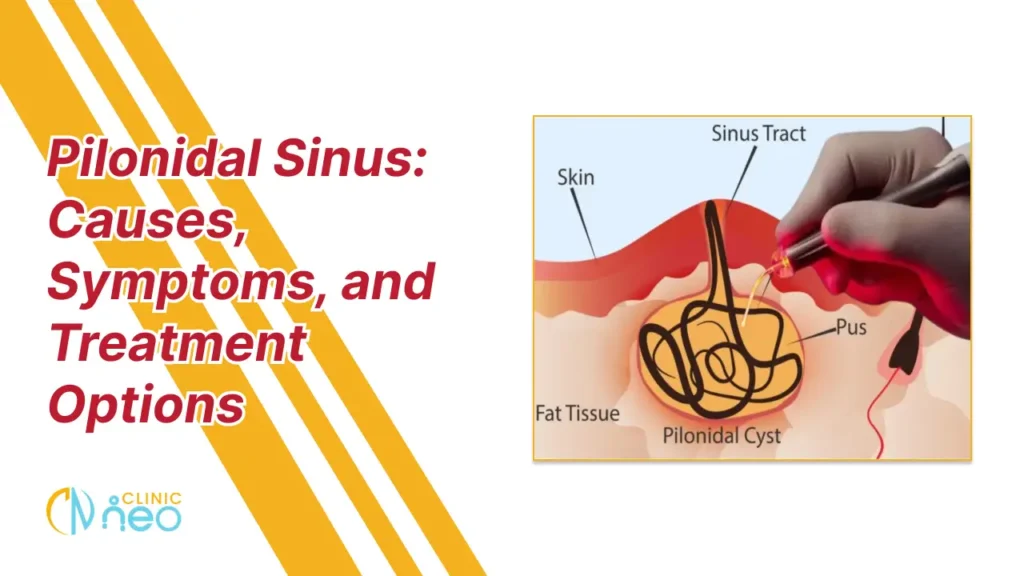
Pain or swelling near the tailbone can make sitting very uncomfortable. Many people do not know that this problem may be caused by a Pilonidal Sinus or a Pilonidal Cyst. These conditions happen when hair or debris gets trapped under the skin and causes a small tunnel or sac. At first, the area may feel slightly sore, but over time it can become painful and sometimes infected.
Pilonidal Sinus mostly affects young adults and people who sit for long hours. Men are more likely to develop this problem because of coarse body hair. However, women can also get a pilonidal cyst in the same area.
In this guide, we’ll learn about pilonidal sinus, how it develops, its symptoms and treatment options from simple home care to medical and surgical treatments, as well as major tips to prevent them.
What is a Pilonidal Sinus?
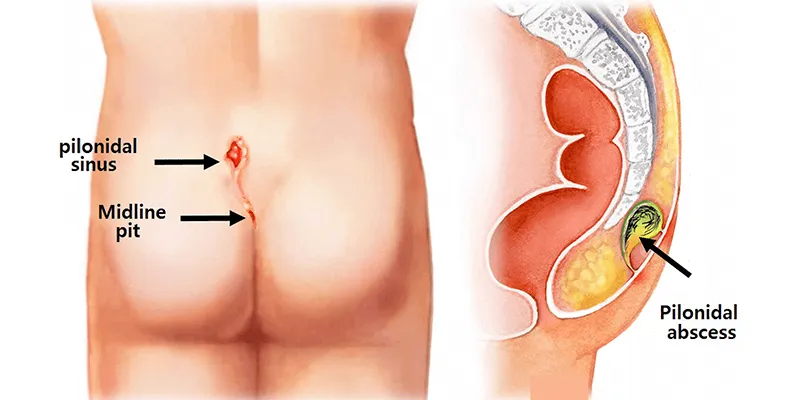
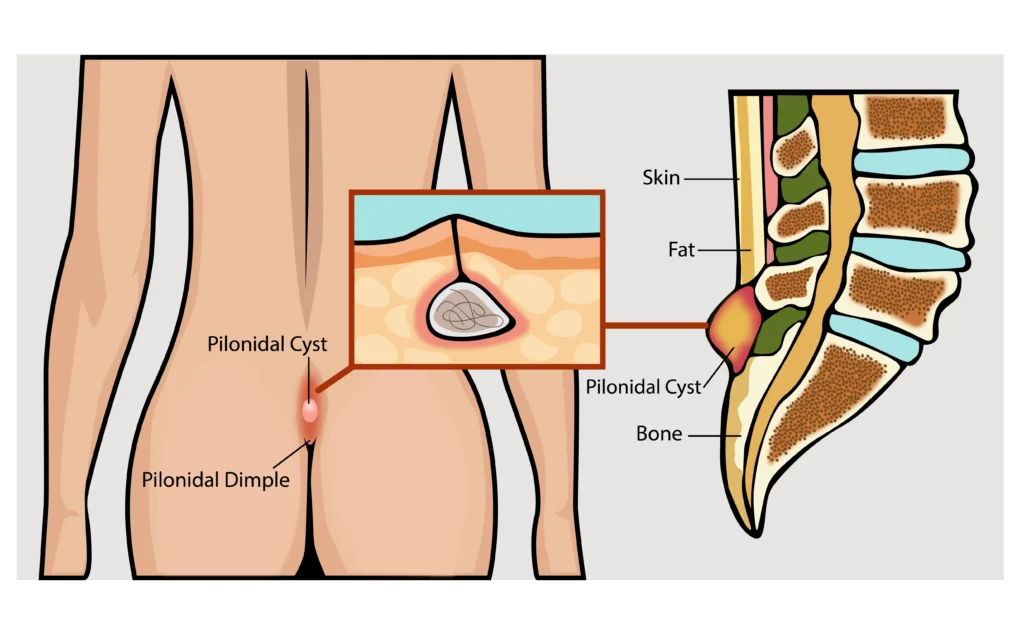
A Pilonidal Sinus is a small tunnel or hole that forms under the skin near the tailbone. Sometimes, it stays small and does not cause much discomfort. However, over time it can get infected and form a Pilonidal Cyst filled with pus and fluid.
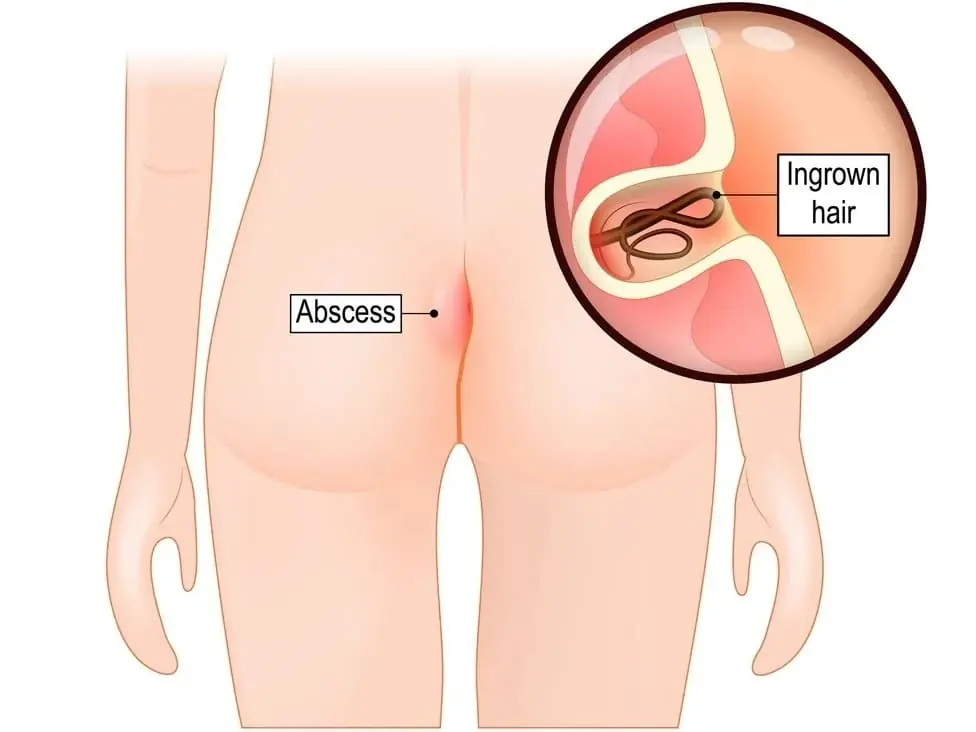
The term “pilonidal” literally translates to “nest of hair.” When loose hairs are trapped in the cleft of the buttocks, the constant movement of walking or sitting can “drill” these hairs into the skin. The body reacts to this hair as a foreign object, creating an inflammatory response that leads to a cyst or a sinus tract.
The good news is that Pilonidal Sinus can be treated effectively. Early care can prevent infection and reduce pain. In some cases, simple home measures may help. But when the cyst becomes infected or painful, proper medical care is necessary. Understanding the causes and symptoms is the first step to finding the right treatment.
Causes of pilonidal sinus
A Pilonidal Sinus can develop for several reasons. Understanding these causes helps prevent the condition and manage it early. The main causes include:
- Ingrown Hair: Hair can grow into the skin instead of outward. When this happens near the tailbone, the body treats the hair as a foreign object and inflammation can occur leading to a Pilonidal Cyst.
- Prolonged Sitting: Sitting for long hours increases pressure and friction on the skin at the top of the buttocks. Then the skin may become irritated and develop a pilonidal sinus.
- Poor Hygiene: Sweat, dirt, and bacteria can build up in the buttocks crease. This creates a favorable environment for infection and may trigger a Pilonidal Cyst.
- Excess Body Hair: People with coarse or thick body hair are more likely to develop a pilonidal sinus. Loose hairs can easily enter the skin and cause irritation.
- Tight Clothing: Tight clothes increase friction and pressure on the tailbone area. This can push hair into the skin and increase the risk of a pilonidal sinus.
- Obesity: A deep crease in overweight people makes it easier for hair and debris to get trapped. This increases the chance of inflammation and cyst formation.
- Trauma or Repeated Friction: Activities such as cycling or long drives can repeatedly irritate the skin near the tailbone. Over time, this irritation may lead to a Pilonidal Sinus.
Symptoms of an Infected Pilonidal Sinus
A Pilonidal Sinus may not cause pain at first. However, when it becomes infected, symptoms become clear and uncomfortable. Recognizing these signs early can help you get treatment faster.
- Difficulty Sitting or Moving: The pain and swelling can make it uncomfortable to sit, walk, or exercise.
- Pain and Tenderness: A dull ache or sharp pain when sitting, standing, or exercising.
- Swelling: A visible lump or localized swelling at the base of the spine.
- Redness: The skin around the tailbone may appear inflamed or warm to the touch.
- Discharge: Foul-smelling pus or blood leaking from an opening in the skin.
- Fever: In severe cases of infection, you may experience systemic symptoms like a low-grade fever or nausea.
- Multiple Openings: In chronic or long-term cases, more than one small hole may appear in the skin. These openings release pus intermittently.
Treatment Options for Pilonidal Sinus
A Pilonidal Sinus can often be managed successfully if treated early. The treatment depends on how severe the infection is and whether a Pilonidal Cyst has formed.
1. Non-Surgical Care
For mild or early cases, simple measures may help. Keeping the area clean and dry reduces irritation. Warm compresses can reduce swelling and pain. Sometimes, doctors may prescribe antibiotics if there is an infection. Removing hair from the area regularly also helps prevent recurrence.
2. Incision and Drainage
If the Pilonidal Cyst becomes painful and filled with pus, a small procedure called incision and drainage may be needed. This removes pus and relieves pain quickly. However, this does not remove the entire sinus, so the condition may return if further treatment is not done.
3. Surgical Treatment
Surgery is the most effective option for chronic or recurrent Pilonidal Sinus. There are several techniques:
- Excision and Open Healing: The sinus is removed and the wound is left open. This lowers the chance of recurrence but takes longer to heal around 6-12 weeks.
- Excision with Primary Closure: The wound is closed with stitches after removal. Healing is faster, but there is a slightly higher chance the sinus may return.
4. Modern Treatments
Laser treatment and minimally invasive procedures are now available to treat Pilonidal Sinus. They reduce pain and healing time. These treatments are becoming more common in clinics with experienced surgeons.
At Clinic Neo, we specialize in the latest laser-assisted treatments for pilonidal disease. Laser pilonidal sinus treatment, often referred to as LHP (Laser Hair Removal and Pilonidal) or SiLaC (Sinus Laser Closure), is the gold standard for modern proctology. This procedure uses a radial laser fiber to deliver energy that collapses the sinus tract and sterilizes the area.
How to Prevent a Pilonidal Sinus Infection?
Preventing a Pilonidal Sinus or a Pilonidal Cyst is easier when you follow simple daily habits. These steps can reduce the risk of infection and recurrence.
- Keep the Area Clean and Dry: Wash the tailbone area regularly with mild soap. After washing, make sure the skin is dry. Moist skin encourages bacteria and hair to enter the sinus.
- Avoid Long Periods of Sitting: Sitting for many hours increases pressure on the tailbone. If your work requires sitting, take short breaks and move around.
- Remove Excess Hair: Thick or coarse hair increases the risk of a Pilonidal Sinus. Hair removal using safe methods like shaving or laser treatment can help prevent hair from entering the skin.
- Wear Loose and Comfortable Clothing: Tight clothes increase friction and trap sweat. Loose clothing reduces irritation and lowers the chance of developing a pilonidal cyst.
- Maintain Healthy Body Weight: Being overweight can deepen the buttocks crease, making hair trapping easier. A balanced diet and regular exercise help reduce this risk.
- Practice Good Hygiene After Activities: Activities like cycling or long drives can irritate the skin. After such activities, clean the area gently and change sweaty clothes.
Conclusion
A Pilonidal Sinus can start as a small, painless problem, but it may become painful and infected if ignored. In some cases, it forms a Pilonidal Cyst filled with pus, which can make sitting and daily activities uncomfortable.
Understanding the causes, symptoms, and treatment options helps you take action early. Simple measures like keeping the area clean, removing excess hair, and avoiding long sitting periods can prevent infection. However, if pain, swelling, or pus develops, it is important to seek proper medical care.
Frequently Asked Questions (FAQs)
1. What is a pilonidal sinus?
A pilonidal sinus is a small tunnel or hole in the skin, usually near the top of the buttocks, that can collect hair, dirt, and bacteria and may become infected. The condition is more common in young adults and can cause discomfort, swelling, or drainage of pus if infected.
2. How serious is a pilonidal sinus?
While a pilonidal sinus is usually not life-threatening, it can become painful and cause repeated infections. If left untreated, it may form an abscess or a larger network of sinuses, leading to chronic discomfort and impacting daily activities.
3. What is the main cause of pilonidal sinuses?
The main cause of pilonidal sinuses is hair penetrating the skin, often triggered by friction, pressure, or trauma in the area. Other risk factors include prolonged sitting, excess body hair, obesity, poor hygiene, and sweating. It’s essentially the body reacting to a foreign object (hair) under the skin.
4. Will pilonidal sinus go away?
Pilonidal sinuses rarely go away on their own. Mild cases may temporarily improve, but without proper treatment, they often recur or become infected. Prompt medical care can prevent complications and reduce the chances of the condition returning.
5. What is the best treatment for pilonidal sinus?
The treatment depends on the severity of the sinus. Mild cases may improve with good hygiene, hair removal, and antibiotics if infected. For more serious or recurrent cases, surgical options are usually recommended. In recent years, laser treatment has become a modern option.
6. What are the early symptoms of this sinus?
Early symptoms include pain or tenderness near the tailbone, swelling, redness, or a small dimple in the skin. Some people notice clear or bloody discharge, and discomfort often worsens when sitting or moving. Early treatment can prevent infection or abscess formation.
Our Recent Blogs

Proctologist vs Gastroenterologist in Nepal: Which Specialist Should You See?
When you have persistent digestive problems like Anal pain, rectal...
Constipation Treatment in Nepal: Causes, Symptoms, Diagnosis and Treatment Options
Constipation can make everyday life uncomfortable, from feeling heavy and...
Anal Fistula: Complete Overview & Treatment in Nepal
Are you suffering from painful sensations or continuous discharge in...
Anal Fissure: Symptoms, Causes, Types and Treatment in Nepal
Experiencing sharp pain during bowel movements or noticing blood after...
Common Myths About Piles: What Doctors Really Say