
Effective Nepalese Home Remedies to Relieve Constipation
- 5 min read
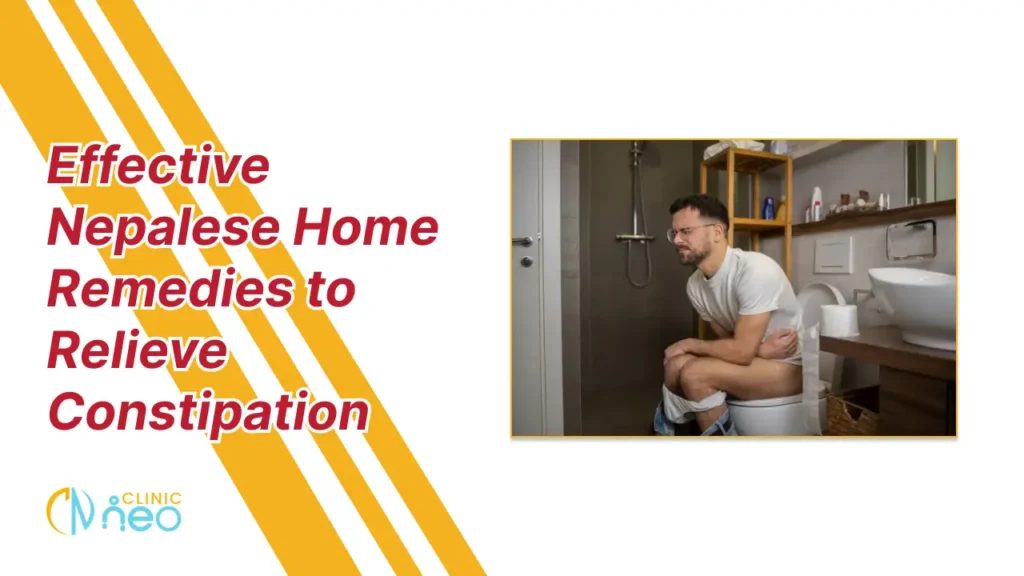
Have you ever felt that heavy, bloated sensation in your lower abdomen after a hearty plate of Dal Bhat? You are not alone. Constipation is one of the most common digestive complaints in Nepal, often stemming from our dietary habits, sedentary lifestyles, or simply not drinking enough water during a busy day.
While it might seem like a minor annoyance, chronic constipation can lead to more painful conditions like hemorrhoids or fissures if left unaddressed. The good news is that many simple, effective remedies, rooted in Nepalese tradition, can help relieve constipation naturally, using ingredients and practices that are easily available at home.
What Is Constipation and Why It Happens
Constipation is a common digestive problem where bowel movements become infrequent, difficult, or incomplete. People with constipation may experience hard or lumpy stools, a feeling of incomplete evacuation, bloating, or discomfort in the abdomen. It can affect daily activities and overall well-being if it persists.
Common reasons for constipation include:
- Low fiber intake from daily meals
- Excess consumption of fried foods and high fat foods
- Less water drinking
- Long hours of sitting with no physical activity
- Ignoring the urge to pass stool
If ignored, constipation can develop into chronic constipation. It may also lead to piles, fissures, fistula or other digestive diseases. Understanding these causes is the first step to finding natural relief and long-term constipation treatment at home.
Simple Nepalese Home Remedies for Constipation
Here are the most effective and easy home remedies for constipation used traditionally in Nepal:
1. Warm Water in the Morning
Drinking warm water in the morning stimulates bowel movement. The warm temperature relaxes the intestinal muscles and activates the gastrointestinal tract.
Tips:
- Drink 1–2 glasses of warm water immediately after waking up
- Optionally, squeeze a few drops of lemon for extra digestive support
Benefits:
- Provides fast constipation relief
- Helps soften stool, making it easier to pass
- Prepares your digestive system for the day
- Reduces the risk of chronic constipation if done daily
Regularly drinking warm water can improve bowel habits without any medicine. It is a natural and safe first step in constipation treatment at home.
2. Fiber Rich Food: Local Grains and Vegetables
Fiber is essential for healthy digestion because it adds bulk to stool and helps it move smoothly through the intestines. While many people think they need expensive supplements, the Nepalese landscape offers some of the best high-fiber foods in the world.
Tips:
- Replace polished white rice with traditional grains such as Kodo (Millet), Phapar (Buckwheat), Makai (Maize), and Jetho (Amaranth). Cook these as porridge, rotis, or rice substitutes.
- Include leafy greens like spinach, mustard greens (saag), and gundruk in your meals.
- Add root vegetables such as carrots, radish, and pumpkin to curries and soups.
- Aim for at least 25–30 grams of fiber daily through a combination of grains, vegetables, and fruits.
Benefits:
- Keeps stool soft and bulky, making bowel movements easier
- Supports the growth of healthy gut bacteria
- Prevents long-term digestive problems such as hemorrhoids or chronic constipation
- Improves overall gut motility and colon health
3. Fruits and Vegetables in Daily Diet
Fruits and vegetables are packed with fiber, water, and natural enzymes that ease digestion and prevent constipation. Nepal’s diverse produce provides many options that are both nutritious and locally available.
Tips:
- Eat seasonal fruits such as papaya, guava, banana, and pomegranate, which are gentle on the stomach and naturally help bowel movements.
- Include vegetables like pumpkin, spinach, mustard greens (saag), and carrot in daily meals.
- Keep one raw fruit or vegetable serving with each meal for better digestive stimulation.
Benefits:
- Softens stool naturally and makes it easier to pass
- Provides essential vitamins and minerals for gut health
- Supports regular bowel habits without medication
Eating fruits in the morning on an empty stomach, such as papaya or guava, can be particularly effective for relieving constipation.
4. Power of Probiotics
Probiotics are “good bacteria” that live in the gut and support healthy digestion. Traditional Nepalese foods like dahi (yogurt), gundruk (fermented leafy greens), sinki (fermented radish), and kinema (fermented soybeans) are excellent natural sources of probiotics.
Tips:
- Have a small bowl of dahi daily with meals.
- Incorporate fermented foods like gundruk or sinki as a side dish.
Benefits:
- Restores healthy gut flora that may be disturbed by poor diet or antibiotics
- Improves digestion and stool consistency
- Reduces bloating and other digestive discomforts
5. Natural Laxatives Found in Every Nepalese Kitchen
Sometimes, your body needs a little extra help to get things moving. Instead of reaching for harsh chemical laxatives, turn to these gentle, natural alternatives that have been used for generations in Nepal. Many of these are already staples in Nepalese kitchens:
Examples:
- Flaxseeds (Alsi): Soak 1 tablespoon in water overnight and eat in the morning.
- Fenugreek seeds (Methi): Soak a teaspoon in water and drink in the morning.
- Prunes and figs (Sukhi Aalu / Anjeer): Eat as a snack or soak overnight for easier digestion.
- Ghee (Clarified Butter): A teaspoon of warm ghee in the morning can lubricate the intestines gently.
Benefits:
- Stimulates bowel movements naturally
- Softens stool without dependency on chemical laxatives
- Supports overall digestive health
6. Lifestyle Changes: Movement and Traditional Postures
A sedentary lifestyle is a major contributor to constipation. Modern sedentary lifestyles often slow down bowel movements, leading to constipation, bloating, and discomfort. In Nepal, traditional daily activities, simple exercises, and mindful postures have long been used to keep the digestive system active and healthy.
Tips:
- Daily Physical Activity: Walk for at least 20–30 minutes every day. Even a short morning or evening walk after meals can stimulate the intestines.
- Yoga and Stretching: Poses like Pawanmuktasana (Wind-Relieving Pose), Malasana (Squat Pose), and gentle twists massage the abdominal area, improving bowel movements.
- Squatting Posture for Toilet Use: Sitting in a squat position, a method still common in rural Nepal.
- Abdominal Massage: Gently massage the lower abdomen in a clockwise direction for 5–10 minutes daily.
Benefits:
- Strengthens abdominal and pelvic muscles for better bowel control
- Encourages regular bowel habits and reduces constipation frequency
- Improves circulation and overall digestive efficiency
- Helps prevent chronic issues like hemorrhoids or straining-related problems
When to Consult a GI Specialist at Clinic Neo
While simple Nepalese home remedies to relieve constipation are effective for most people, there are times when home care isn’t enough. Persistent constipation is not just uncomfortable; it can be a symptom of an underlying medical condition. If you find yourself constantly straining, it can lead to painful complications like piles, fissures, or even fistulas.
You should seek professional medical advice from experienced doctors, if you experience any of the following symptoms:
- Blood in your stool or on the toilet paper
- Severe abdominal pain that doesn’t go away
- Persistent constipation that lasts for more than three weeks despite dietary changes
- Unexplained weight loss
- A lump or swelling in the anal area
At Clinic Neo, we understand that these issues can be difficult to talk about. However, early intervention is the key to avoiding invasive surgeries. If you are struggling with the painful aftermath of constipation, such as hemorrhoids, it is important to seek Piles Treatment In Nepal from experienced specialists.
Conclusion
Constipation affects daily comfort and health. However, managing your digestive health is a matter of lifestyle choices. By embracing simple Nepalese home remedies to relieve constipation-like drinking warm water, eating fiber rich foods, eating fruits and vegetables, you can maintain a healthy gut and prevent future complications.
However, while home remedies are effective for most people, persistent or severe constipation may require professional attention. If dietary changes, and lifestyle adjustments do not bring relief, consulting a gastrointestinal specialist can help identify underlying issues and prevent complications such as hemorrhoids, fissures, or chronic digestive disorders.
For individuals suffering from painful hemorrhoids, modern treatments like piles laser treatment in Nepal offer a safe, minimally invasive solution with faster recovery compared to traditional surgery.
Frequently Asked Questions
1. How to relieve constipation immediately at home?
Immediate relief often involves methods that stimulate bowel movements safely:
- Hydrate: Drink a large glass of water. Dehydration is a common cause of constipation.
- Warm fluids: Warm water, herbal tea, or warm lemon water can stimulate bowel movement.
- Fiber + natural laxatives: Prunes, prune juice, or kiwi can work quickly.
- Gentle abdominal massage: Massage in a clockwise motion on the lower abdomen to stimulate the intestines.
- Physical movement: Light exercise, like walking or stretching, can help.
- Over-the-counter options (if safe for you): Oral magnesium citrate or a mild stool softener can produce results in hours.
Avoid straining forcefully, as it can cause hemorrhoids or injury.
2. What to give a toddler for constipation?
Give toddlers fruits like prunes, pears, or applesauce, and vegetables such as carrots or peas. Make sure they drink plenty of water, and a warm bath or gentle tummy massage can help them go more comfortably.
3. How to relieve constipation in 30 minutes?
Warm water or prune juice can act fast to soften stools. A glycerin suppository (if safe for age) can work within half an hour, and gentle tummy massage or a short walk can help speed up the process.
4. Is there immediate relief for constipation?
Yes, immediate relief is possible with glycerin suppositories or enemas, which often work within minutes. Drinking warm liquids, eating prunes, or massaging the abdomen can also help, though these methods may take a bit longer.
5. What is a natural remedy for constipation?
Natural remedies for constipation include high-fiber foods like prunes, flaxseeds, and chia seeds, which help soften stools. Drinking warm water or herbal teas and staying active with regular exercise can also prevent or relieve constipation naturally.
6. When should I stop using home remedies and visit a clinic like Clinic Neo for constipation?
If constipation persists for more than two weeks despite home remedies, or if you experience symptoms like rectal bleeding, severe abdominal pain, or a feeling of incomplete evacuation, you should consult a specialist. Early intervention by a proctologist can prevent the progression of underlying issues into surgical conditions.
READY TO TAKE THE NEXT STEP?
We're Here to Help
You Feel Better.
Whether you have a question, need more information, or are ready to book your consultation – our team is just a call or message away.
Working Hours
Sunday - Friday (3:00 PM - 7:00 PM)
Saturday (8:00 AM - 10:00 PM)
Call Us
9805678379, 01-5907370
Email Us
clinicneonepal@gmail.com
Visit Us
Lokanthali, Bhaktapur, Nepal
Our Recent Blogs

5 min read
Proctologist vs Gastroenterologist in Nepal: Which Specialist Should You See?
When you have persistent digestive problems like Anal pain, rectal bleeding, or constant stomach ache, it can leave you unsure which doctor to call. In Nepal, this confusion is common

5 min read
Constipation Treatment in Nepal: Causes, Symptoms, Diagnosis and Treatment Options
Constipation can make everyday life uncomfortable, from feeling heavy and bloated to spending too much time in the bathroom. It can affect people of all ages and may be linked
5 min read
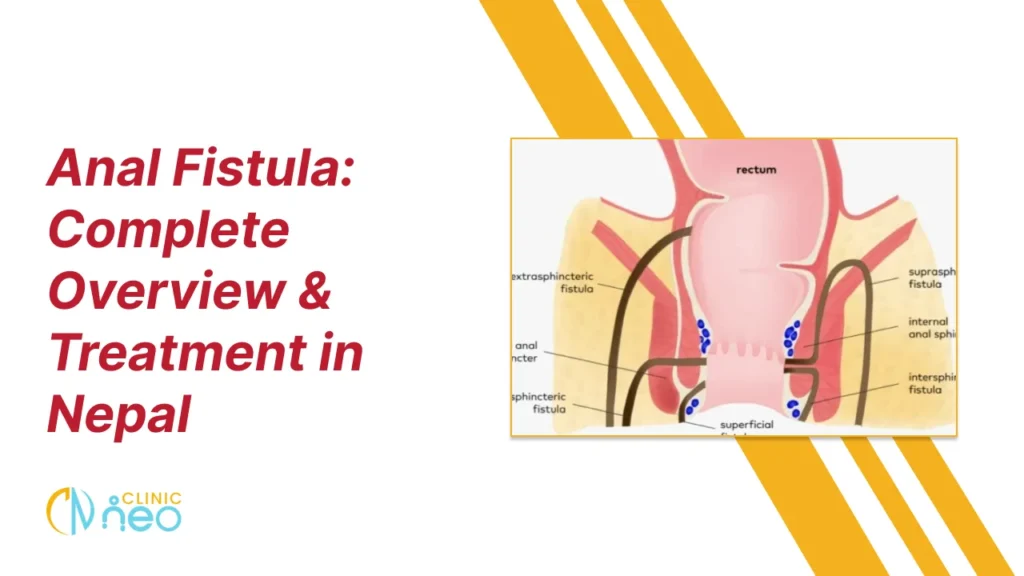
Anal Fistula: Complete Overview & Treatment in Nepal
Are you suffering from painful sensations or continuous discharge in your anal region? If sitting down or passing stool is becoming difficult for you, you could be having an anal
5 min read
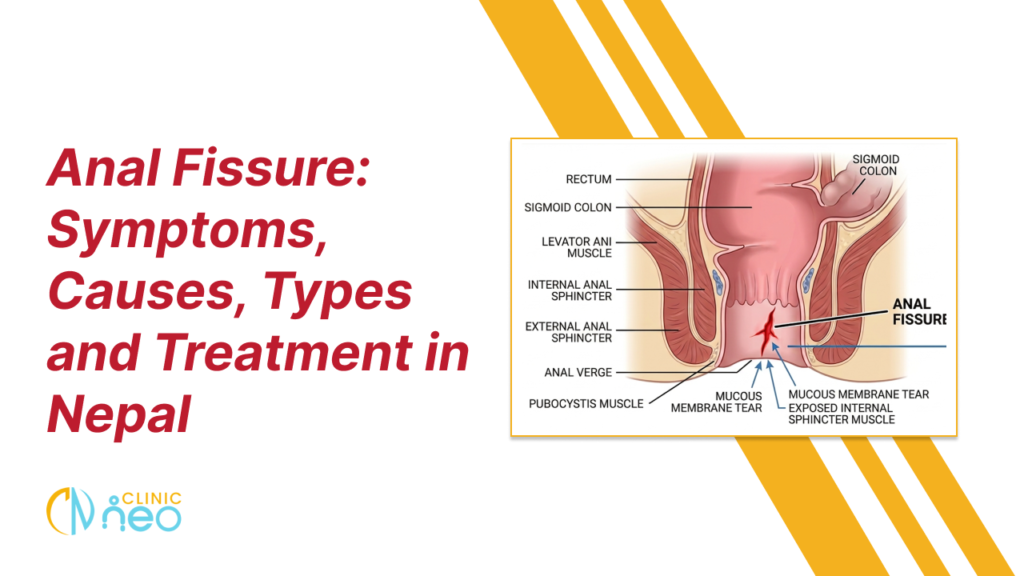
Anal Fissure: Symptoms, Causes, Types and Treatment in Nepal
Experiencing sharp pain during bowel movements or noticing blood after passing stool can be worrying. These symptoms are often ignored or mistaken for piles (hemorrhoids), causing many people to delay

5 min read
Common Myths About Piles: What Doctors Really Say

5 min read
Things to Dos and Don’ts During Piles
Our Recent Blogs
Proctologist vs Gastroenterologist in Nepal: Which Specialist Should You See?
When you have persistent digestive problems like Anal pain, rectal...
Constipation Treatment in Nepal: Causes, Symptoms, Diagnosis and Treatment Options
Constipation can make everyday life uncomfortable, from feeling heavy and...
Anal Fistula: Complete Overview & Treatment in Nepal
Are you suffering from painful sensations or continuous discharge in...
Anal Fissure: Symptoms, Causes, Types and Treatment in Nepal
Experiencing sharp pain during bowel movements or noticing blood after...
Common Myths About Piles: What Doctors Really Say