
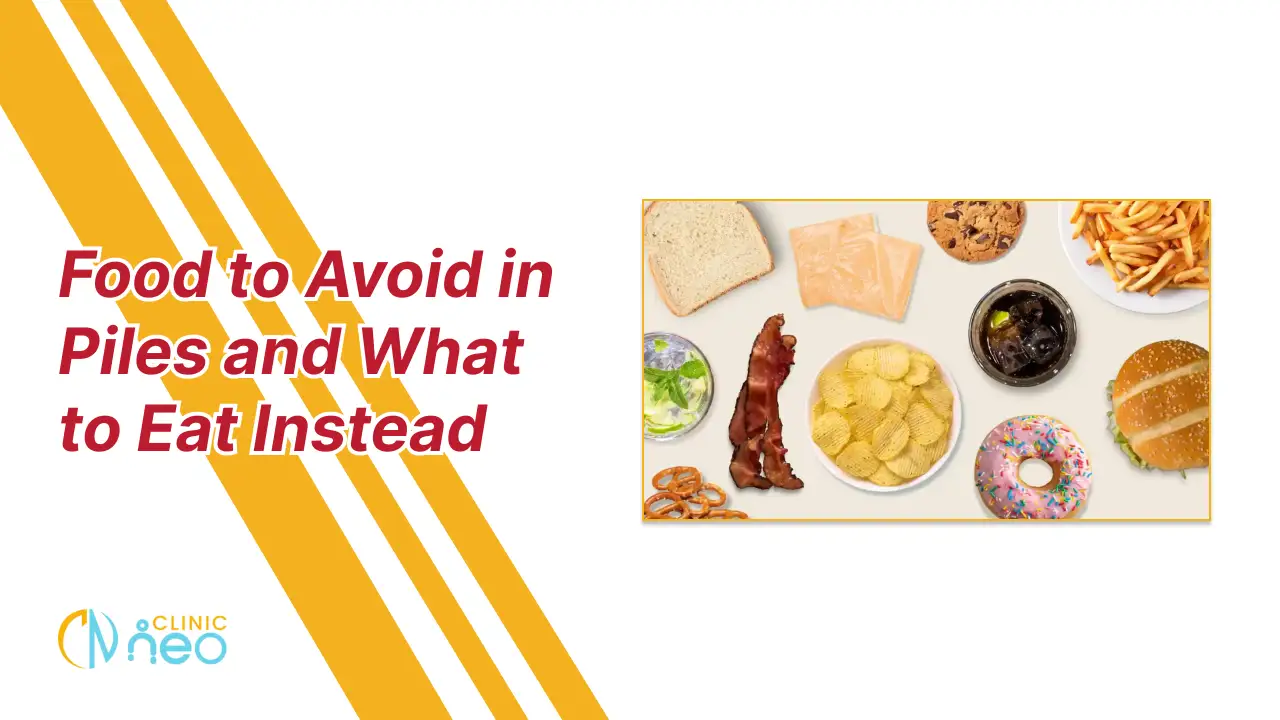
Food to Avoid in Piles and What to Eat Instead
- 5 min read
Have you ever felt that stinging discomfort or noticed blood after a bowel movement? You are not alone. In Nepal, thousands of people suffer in silence from piles (hemorrhoids), often because of the stigma and common myths about piles. However, the secret to managing this pain often lies right on your dinner plate.
Food to avoid in piles and what to eat in piles is more than just a list of restrictions; it is a road map to healthy lifestyle. When you understand how different foods interact with your digestive system, you can effectively prevent piles.
At Clinic Neo, we see patients every day who have tried everything but forget the most basic pillar of recovery which is diet. By making small, strategic changes to what you eat, you can significantly reduce the pressure on your rectal veins and make bowel movements smooth and painless.
Understanding Piles (Hemorrhoids)
Piles are swollen blood vessels in or around the anus and rectum. They develop mainly due to excessive pressure during bowel movements, chronic constipation, or prolonged sitting.
Piles, also known as hemorrhoids, have become increasingly common in Nepal. Some of the major causes of piles are bad food habits, desk-based jobs, low water intake, and lack of fiber in daily meals. Many people rely heavily on refined grains, fast food, and processed foods, which directly affect the digestive system and increase the risk of piles. Therefore, it is important to know what not to eat in piles and follow a healthy diet plan.
How Diet Affects Piles
Diet plays a major role in both causing and relieving piles (hemorrhoids). Piles often develop when there is frequent constipation or excessive straining during bowel movements. A diet low in fiber and fluids makes stools hard and difficult to pass, increasing pressure on the rectal veins. Over time, this pressure can lead to swelling, pain, and bleeding.
On the other hand, a balanced diet rich in fiber and water helps soften stools and promotes regular bowel movements. Healthy eating habits and following effective home remedies for piles can help relieve symptoms and reduce the chances of recurrence.
Impact of Poor Diet on Piles:
- Leads to constipation
- Causes incomplete bowel movements
- Increases inflammation and swelling
- Delays healing of hemorrhoids
A diet rich in fiber and high fluid intake:
- Softens stool
- Improves bowel movements
- Reduces straining
- Prevents recurrence of piles
People in Nepal often consume polished rice, fried snacks, and spicy foods daily, which can seriously disturb digestive health.
Foods to Avoid in Piles
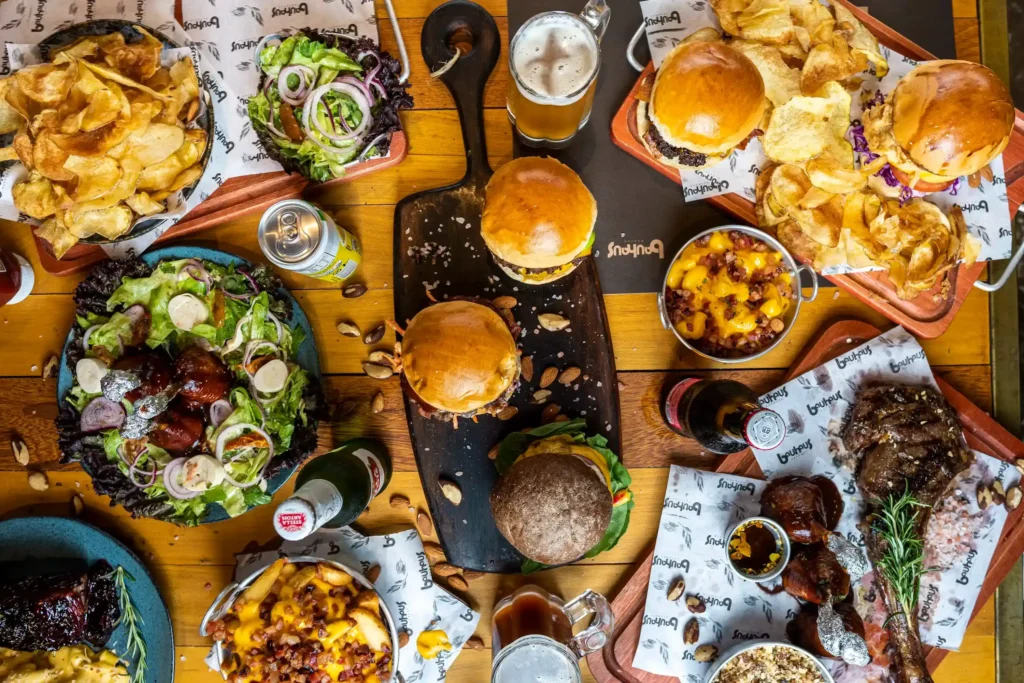
Avoiding wrong foods is critical for managing piles effectively. Certain food items directly worsen piles symptoms by slowing digestion, hardening stools, irritating the intestinal lining, and increasing pressure on the rectal blood vessels. Avoiding or limiting the following foods can significantly help in managing piles symptoms.
1. Deep-Fried and Processed Food Items
Deep-fried foods such as fries, pakoras, chips, and processed snacks are high in unhealthy fats and very low in fiber. These foods are heavy, oily, and difficult to digest, especially for people with a sensitive digestive system. Regular consumption of these foods can increase constipation and straining during bowel movements, which directly worsens piles.
2. Fast Foods
Fast foods such as burgers, pizzas, instant noodles, and packaged meals are typically low in fiber and high in unhealthy fats and sodium. These foods slow digestion, increase constipation, and reduce overall gut health. Regular intake can make piles symptoms more severe and persistent, making them one of the worst foods to avoid in piles.
3. Spicy Food
Spicy foods do not cause piles directly, but they can worsen existing symptoms. Chillies, hot sauces, and excessive spices may irritate the digestive tract and cause a burning sensation during bowel movements. This can increase pain, itching, and discomfort in people suffering from piles, especially when there is inflammation or bleeding. For this reason, spicy foods are among the common foods to avoid during piles flare-ups.
4. Refined Grains
Refined grains are one of the most harmful food categories for piles patients as they lack dietary fiber, which is essential for smooth digestion. Refined grains like white bread, white rice, maida (refined flour), pasta, and bakery items have most of their fiber removed during processing. A diet rich in refined grains can cause hard stools and increase pressure on rectal veins, leading to piles flare-ups.
5. Processed Meats
Processed meats such as sausages, bacon, ham, and salami are high in fat, salt, and preservatives but very low in fiber. These meats are difficult to digest and often contribute to constipation. Consuming high salt content leads to dehydration, making stools harder and increasing strain during bowel movements. For this reason, processed meats are among the foods to avoid for piles patients to support better digestive health.
6. Alcohol
Alcohol acts as a diuretic, which means it causes the body to lose water. Dehydration leads to dry, hard stools that are difficult to pass. Alcohol can also increase blood flow and inflammation in the rectal area, worsening swelling and discomfort. Frequent alcohol consumption is a common trigger for piles symptoms.
7. Dairy Products
Milk, cheese, butter, and other dairy products cause constipation in many individuals, especially when consumed in excess. Dairy products are low in fiber and may slow digestion. For people who are lactose intolerant or sensitive to dairy, these foods can further disturb bowel movements and aggravate piles.
8. Excessive Fiber Intake
While fiber is essential for piles relief, consuming too much fiber suddenly or without enough water can cause bloating, gas, and abdominal discomfort. This can worsen pressure in the rectal area. Fiber should always be increased gradually and paired with adequate fluid intake to avoid digestive problems.
Best Foods for Piles
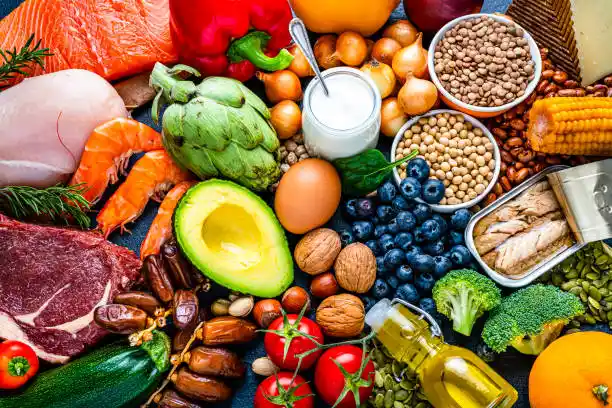
1. High-Fiber Foods (Most Important for Piles Relief)
Fiber adds bulk to stools and helps them pass easily through the intestines. Foods like whole grains, oats, bran, brown rice, vegetables, seeds, and fiber-rich cereals are extremely beneficial. Adequate fiber intake reduces constipation, prevents straining, and lowers pressure on rectal veins, making it the most important dietary factor for piles relief.
2. Fresh Fruits
Fresh fruits such as papaya, apples, pears, oranges, berries, figs, and bananas are rich in natural fiber, water, and digestive enzymes. They help regulate bowel movements, soften stools, and improve gut health. Fruits also contain antioxidants and vitamins that support healing and reduce inflammation.
3. Legumes and Pulses (In Balanced Quantity)
Lentils, chickpeas, beans, peas, and pulses are excellent sources of dietary fiber and plant-based protein. They promote regular bowel movements and prevent constipation. These foods are an important part of a diet for piles and are among the best foods to eat in piles. However, they should be consumed in moderate amounts, as excessive intake may cause gas or bloating in some people.
4. Healthy Fats
Healthy fats from sources like olive oil, flaxseeds, nuts, seeds, and avocados help lubricate the intestines and make stool passage smoother. Unlike unhealthy fats, these fats support digestion and reduce irritation in the bowel, helping ease piles symptoms. Including healthy fats as part of a balanced diet for piles can support better digestive health and make bowel movements more comfortable.
5. Fluids and Hydration
Drinking enough water is crucial when dealing with piles. Fluids help soften stools and allow fiber to work effectively. Inadequate water intake can make stools hard even if fiber intake is sufficient. Along with water, fluids like coconut water, soups, and herbal teas can support hydration.
6. Probiotic Foods
Probiotic foods such as yogurt, curd, kefir, and fermented foods like gundruk, sinki help maintain healthy gut bacteria. A balanced gut microbiome improves digestion, reduces constipation, and supports overall bowel health. This can significantly reduce the frequency and severity of piles symptoms.
Traditional Nepali Foods That Support Digestive Health
Our traditional Nepali diet, when followed correctly, is actually very well-suited for someone managing piles. The key is in the preparation and the balance of ingredients. Many of our ancestors lived without digestive issues because they relied on fermented foods and whole grains.
By returning to some of these traditional practices, you can create a healthy diet for piles that is both culturally familiar and medically beneficial. If you are wondering what nepali food to eat in piles, the following traditional Nepali foods are excellent choices.
- Gundruk: This fermented leafy green is a natural probiotic. It introduces healthy bacteria into your gut, which helps break down food more efficiently.
- Kwati: A soup made from nine types of sprouted beans. Sprouting increases the fiber content and makes the nutrients easier to absorb.
- Dhido: Made from buckwheat or millet, Dhido is much higher in fiber than white rice and provides a steady release of energy.
- Local Curd (Dahi): Fresh, homemade curd is rich in probiotics. It helps maintain the balance of flora in your intestines, preventing both diarrhea and constipation.
- Leafy Greens (Saag): Whether it’s Rayo ko Saag or Chamsur, these are essential for providing the bulk needed for easy bowel movements.
When to Consult a Doctor
While a healthy diet can manage and even cure piles in early-stages, there are times when dietary changes aren’t enough. If you are experiencing persistent pain, heavy bleeding, or if your piles are protruding, it is time to consult a piles specialist.
- Severe Pain: If you cannot sit or perform daily activities due to pain.
- Rectal Bleeding: Any instance of blood in your stool should be evaluated by a doctor to rule out other conditions.
- Inability to Reduce Piles: If the lumps do not go back inside after a bowel movement.
- Chronic Constipation: If dietary changes haven’t improved your bowel habits after several weeks.
At Clinic Neo, we specialize in modern, minimally invasive piles treatments along with advanced laser surgery for fissures and fistulas, helping patients get back to their normal lives quickly. We understand that many people fear traditional piles surgery, which is why laser treatment for Piles is often the preferred choice for our patients. It is less painful, involves no cutting, and has a much faster recovery time than traditional methods.

Conclusion
Managing piles is a journey that begins with what you put in your body. By embracing a healthy diet plan-knowing which food to avoid in piles and which ones to consume, you take control of your digestive health.
Traditional Nepali foods provide incredible benefits, and when combined with healthy lifestyle habits, they can significantly ease Piles symptoms. However, modern medical treatments are available when dietary and lifestyle changes are not enough. If you are struggling with persistent symptoms, reach out to a professional who can guide you toward the best solution.
Frequently Asked Questions (FAQs)
1. What foods make piles worse?
Foods that make piles worse include deep-fried foods, fast food, refined grains (white rice, maida), spicy foods, processed meats, alcohol, and excess dairy. These foods are low in fiber, cause constipation, irritate the digestive tract, and increase pressure on rectal veins, worsening pain, swelling, and bleeding.
2. What food helps with piles?
Foods that help with piles are high-fiber and water-rich foods such as whole grains, oats, brown rice, leafy vegetables, fruits (papaya, apples, pears), legumes, probiotics like curd and gundruk, and healthy fats like olive oil and flaxseeds. These foods soften stools, improve bowel movements, and reduce straining.
3. Can we eat rice in piles?
Yes, you can eat rice in piles, but it is better to limit polished white rice and choose brown rice or fiber-rich alternatives like Dhido whenever possible. Eating rice with lentils (दाल), spinach (साग), beans (सिमी) and other high-fiber foods helps improve digestion and reduces constipation, making it a healthier food for piles.
4. Is curd good for piles?
Yes, fresh homemade curd (दही) can be good for piles. It contains probiotics that support gut health, improve digestion, and may help prevent constipation. For the best results, choose plain, unsweetened curd (दही) and pair it with fiber-rich foods such as oats, fruits like papaya (मेवा) and guava (अम्बा), or vegetables as part of a balanced diet for piles.
5. Do piles heal on their own?
Mild piles can improve on their own with a high-fiber diet, proper hydration, regular exercise, and healthy bowel habits. Eating foods such as Dhido, Gundruk, Kwati, dal, saag, papaya (मेवा), and guava (अम्बा) can support recovery. However, if your symptoms persist, become painful, or cause frequent bleeding, you should seek professional piles treatment in Nepal.
6. Can diet alone cure piles?
Diet plays an important role in managing piles and relieving symptoms, especially in the early stages. Eating fiber-rich foods such as dhido, oats, kwati, dal, papaya (मेवा), guava (अम्बा), beans (सिमी), and saag can help improve bowel movements. However, diet alone may not cure advanced or severe piles. If lifestyle changes do not provide relief, then it’s better to consult a piles specialist for better treatment.
Our Recent Blogs

Proctologist vs Gastroenterologist in Nepal: Which Specialist Should You See?
When you have persistent digestive problems like Anal pain, rectal...
Constipation Treatment in Nepal: Causes, Symptoms, Diagnosis and Treatment Options
Constipation can make everyday life uncomfortable, from feeling heavy and...
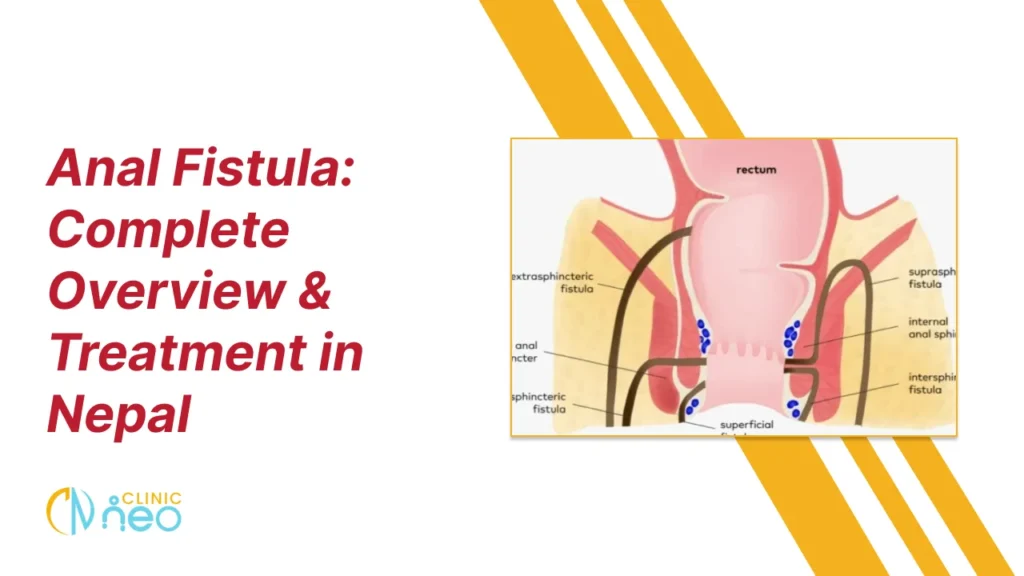
Anal Fistula: Complete Overview & Treatment in Nepal
Are you suffering from painful sensations or continuous discharge in...
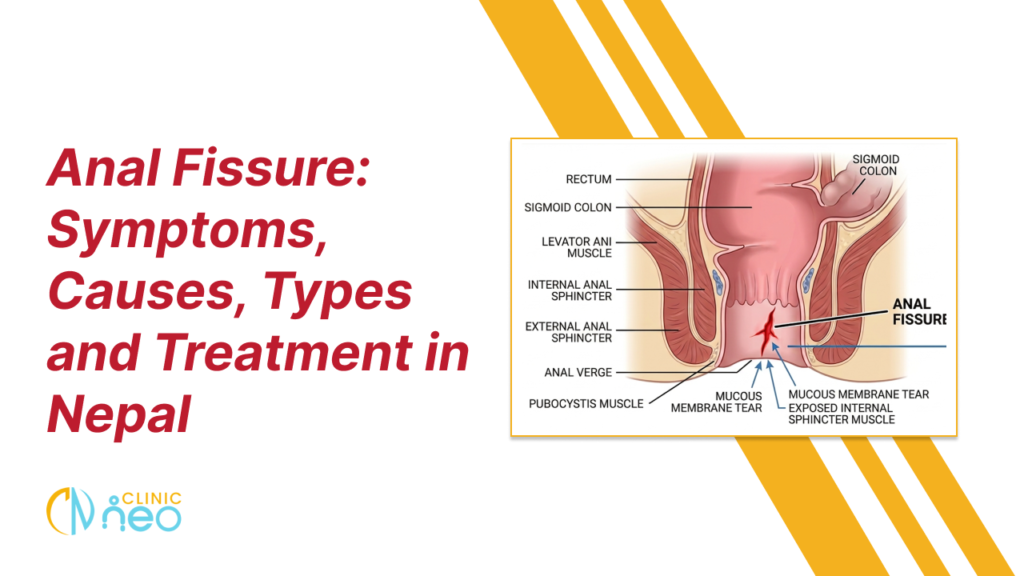
Anal Fissure: Symptoms, Causes, Types and Treatment in Nepal
Experiencing sharp pain during bowel movements or noticing blood after...

Common Myths About Piles: What Doctors Really Say